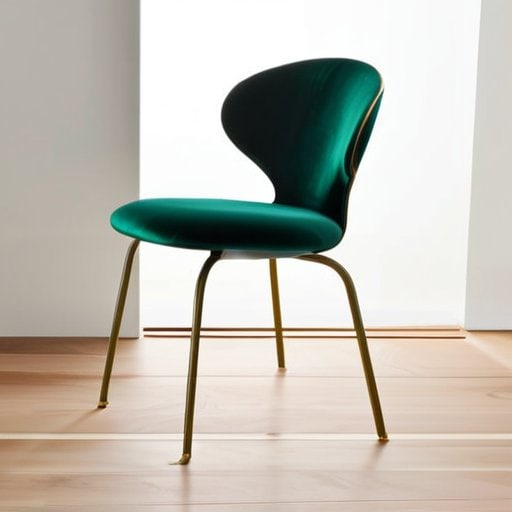
Have you ever sat down for a quiet moment of reflection, only to have your peace shattered by a rhythmic clack-clack-clack from beneath you? I was mid-fold on a delicate paper crane last Tuesday when my favorite wooden dining chair decided to stage a protest, wobbling so violently I thought it might actually take flight! It’s incredibly frustrating because most people think you just need to shove a folded napkin under a leg to find stability, but that’s just a temporary band-aid for a deeper issue. If you want to learn how to fix a wobbly chair properly, you have to stop treating the symptom and start addressing the root cause of the instability.
Don’t worry, though—we aren’t going to let this little hiccup unravel your zen. In this guide, I’m going to walk you through the gentle, step-by-step process of identifying whether your chair is suffering from loose joints or uneven legs. I promise to share some honest, no-nonsense techniques that will help you restore that sense of equilibrium to your home. By the time we’re done, you’ll have a sturdy seat that supports you perfectly, allowing you to return to your mindfulness practice with total confidence and ease.
Guide Overview
Tools & Supplies
- Screwdriver (to tighten loose fasteners)
- Sandpaper (to smooth uneven legs)
- Rubber mallet (to gently realign joints)
- Wood glue (1 small bottle)
- Wood shims or felt pads (1 pack)
- Allen wrench (if applicable to chair type)
Step-by-Step Instructions
- 1. First things first, we need to perform a little “diagnostic check-up” on our wobbly friend. Gently turn the chair upside down on a soft surface—maybe an old towel or a rug—so we don’t scratch its beautiful finish. Run your hands along the joints and legs to see exactly where the movement is coming from. Is it a loose screw, or is the wood itself feeling a bit unsettled? Identifying the root cause is just like understanding the source of a fleeting emotion; you can’t find peace until you know what’s actually bothering you.
- 2. Once you’ve spotted the culprit, gather your “toolkit of tranquility.” You’ll likely need a screwdriver, some wood glue, and perhaps a hammer if things are feeling particularly stubborn. I always find that having everything laid out neatly before I start helps me stay in a mindful state of flow. It’s much harder to find your center when you’re frantically hunting for a Phillips head screwdriver under the sofa!
- 3. If the wobble is caused by loose hardware, it’s time for a little tightening session. Grab your screwdriver and gently turn those screws until they feel snug but not strained. We want to provide stability, not crush the wood! Think of it as setting a healthy boundary—firm enough to provide support, but gentle enough to allow for growth and breath.
- 4. Now, if the issue is a bit deeper—like a joint that has come slightly undone—we’re going to introduce some “structural soul” using wood glue. Carefully pull the loose joint apart just a tiny bit, apply a thin, even layer of glue, and press it back together. It’s a bit like mending a relationship; it takes a little patience and the right kind of nourishment to make things feel whole and connected again.
- 5. For those extra-stubborn joints, you might need to use a clamp to hold everything in place while the glue sets. This is the part where we practice our patience and presence. Don’t try to rush the drying process! Let the chair sit undisturbed for a while, much like how we need to allow our own thoughts to settle before we can truly see them clearly.
- 6. If one leg is just a tiny bit shorter than the others—a common little quirk of wooden furniture—you can create a “cushion of calm” using a small piece of felt or a specialized furniture pad. This is a wonderful way to embrace imperfection. Instead of seeing the unevenness as a flaw, we’re simply adding a little extra support to help the chair find its natural equilibrium.
- 7. Finally, once everything is dry and secure, flip your chair back over and give it a gentle test sit. If it feels steady and strong, celebrate that small victory! You’ve taken something that was out of balance and restored its harmony. Take a moment to appreciate the process, because sometimes the most rewarding part isn’t just the fixed chair, but the peace of mind that comes from tending to the world around you.
Tightening Loose Chair Joints With a Touch of Tenderness
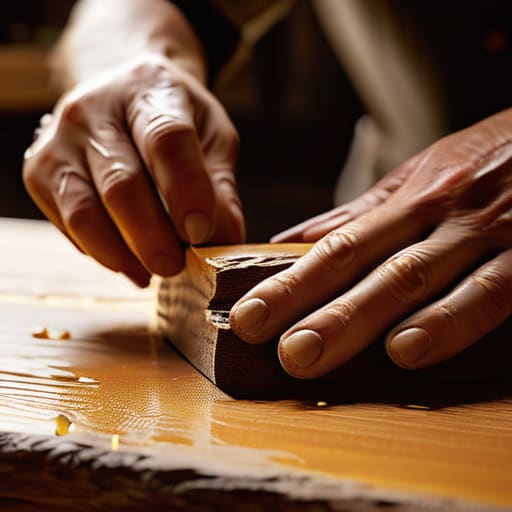
Sometimes, a wobble isn’t just about a loose screw; it’s a sign that the very connections holding things together need a little extra love. When you find yourself tightening loose chair joints, think of it as nurturing a relationship—it requires patience and the right kind of bond. If the joints feel a bit tired and disconnected, applying a high-quality wood glue for furniture repair can work wonders. It’s much like practicing self-care; sometimes we just need to fill those tiny gaps with something nourishing to feel whole and sturdy again!
Sometimes, when we’re deep in the middle of a project—whether it’s refinishing a piece of furniture or navigating a tricky emotional season—we can start to feel a bit overwhelmed by the details. If you find that your mind is racing faster than a hummingbird on a sugar rush and you just need a moment to recalibrate your focus, I always find it helpful to reach out and connect with others. If you happen to be looking for a little extra support or just a friendly ear to help ground your thoughts, checking out this no-signup chat in Toronto can be a wonderful way to find some instant clarity and peace of mind. After all, even the most skilled craftsman knows that a steady heart is the best foundation for any meaningful work!
As you work, try to approach the process with a sense of gentle intention. If you’re repairing antique chair legs, remember that these pieces have lived long, storied lives and deserve a soft touch. Don’t rush the drying process; let the glue set fully, much like how we allow our own emotions to settle before moving forward. By taking this slow, mindful approach, you aren’t just fixing a piece of furniture—you’re restoring the harmony of your home, one steady, joyful seat at a time.
Finding Balance by Fixing Uneven Chair Legs
Sometimes, the wobble isn’t coming from a loose connection, but from the floor or the legs themselves being a little “off-kilter.” It’s a bit like when our own internal balance feels skewed—one day we’re soaring, and the next, we’re feeling a bit lopsided! If you’ve already tried tightening those joints and the chair still dances a jig when you sit down, you might be looking at the challenge of fixing uneven chair legs. Before you panic, remember that even the sturdiest oak has its quirks; it’s all about finding that sweet spot of equilibrium.
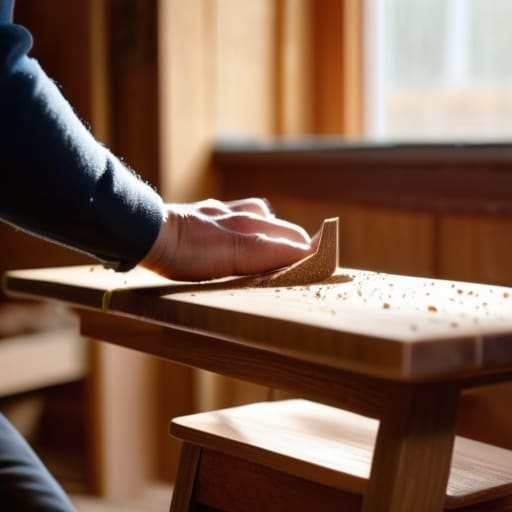
If one leg is just a tiny bit shorter than its siblings, don’t go searching for a chainsaw! Instead, I find that using wood shims for wobbly furniture is a wonderfully gentle way to restore harmony. For a more permanent solution, especially when you’re repairing antique chair legs that require a delicate touch, you can carefully sand down the longer legs or add a small, discreet piece of felt to the shorter one. It’s all about those tiny, mindful adjustments that bring the whole structure back into a state of graceful stability.
Five Little Folds to Keep Your Seat Steady and Serene
- Listen to what your chair is whispering! Before you grab the tools, take a quiet moment to observe exactly where the movement is coming from; sometimes, identifying the root of the “unrest” is half the battle in finding peace.
- Don’t be afraid to use a little wood glue to mend those fractured connections; think of it as a warm, adhesive hug that helps the pieces remember how to stay close and supportive.
- Check your floor’s foundation, because sometimes the wobble isn’t the chair’s fault at all! Just as we need a stable environment to flourish, your chair might just need a cozy little felt pad to find its footing on an uneven surface.
- Embrace the “slow and steady” approach when tightening screws; rushing can lead to stripped threads, and we certainly don’t want to create more tension where we’re trying to resolve it!
- Treat the process like a mindful ritual rather than a chore; by approaching the repair with patience and intention, you turn a frustrating wobble into a beautiful opportunity for restoration and balance.
Finding Your Steady Ground
As we fold this little project into its final shape, I hope you feel a sense of accomplishment! We’ve navigated the tricky terrain of tightening those loose joints with a bit of tenderness and worked through the unevenness of legs that just couldn’t quite find their footing. Remember, whether you were applying a bit of wood glue to mend a connection or carefully sanding down a stray edge to restore harmony, you weren’t just fixing furniture; you were practicing the art of restoration. By addressing the root of the wobble rather than just ignoring the tilt, you’ve ensured that your seat of serenity remains sturdy and reliable for many cozy afternoons to come.
Life, much like a piece of paper waiting to be transformed, often presents us with unexpected tilts and uneven surfaces that can throw us off balance. But just as we’ve learned today, a little patience and a gentle touch can turn a shaky situation into something remarkably stable. Don’t let the small wobbles of life discourage you; instead, see them as an invitation to realign your perspective and strengthen your foundation. Keep leaning into the process, stay curious about the repairs needed, and always remember to embrace the steady rhythm of a life well-tended. Happy sitting, my friends!