I was halfway through a rainy Thursday, cradling a freshly‑boxed IKEA Frosta stool, when a sudden gust of wind scattered a handful of sea‑foam‑green origami cranes across my tiny balcony. In that moment I realized the stool wasn’t just a piece of flat‑packed furniture—it was a blank canvas waiting for a joyful transformation. The myth that upcycling IKEA Frosta stools requires a full workshop and a PhD in engineering? Totally mis‑folded. In reality, a splash of paint, a few clever cuts, and a pinch of imagination can turn that plain seat into a whimsical garden perch that sings the song of my coastal hometown.
In this guide, I’ll walk you through each step of my own upcycling IKEA Frosta stools adventure, from measuring and sanding to choosing a weather‑proof finish that hugs both wood and waves. You’ll get a printable checklist, budget‑friendly material list, and a few “fold‑in‑the‑fun” tips that let you customize the stool for a sun‑lit patio, a kid‑friendly reading nook, or even a playful pet throne. No fluff, just honest, no‑hype instructions that let you fold joy into your home, one stool at a time—everyday.
Table of Contents
Guide Overview
Tools & Supplies
- Sandpaper (80‑220 grit for surface prep and smoothing)
- Paintbrush or foam roller (for even paint application)
- Screwdriver (to remove any existing hardware, if desired)
- Chalk paint or acrylic paint (1 qt, any color)
- Primer (spray can, 1 can)
- Clear protective finish (spray polyurethane, 1 can)
- New hardware (optional knobs or brackets, 4 pcs)
Step-by-Step Instructions
- 1. Gather your materials – First, round up a sturdy IKEA Frosta stool, a fresh coat of chalk‑paint (I love the soft, pastel vibes it brings), a set of sandpaper, a few decorative pine cones or seashells from a beach walk, a paintbrush, and some clear matte sealant. If you’re feeling extra breezy, add a tiny potted succulent to turn the stool into a mini‑garden oasis.
- 2. Prep the stool for transformation – Lightly sand the wooden seat and legs until they feel as smooth as a seashell’s interior. Wipe away any dust with a damp cloth, then let the surface dry completely. This gentle “sanding‑sand” prepares the canvas for our joyful color splash.
- 3. Apply a base coat of chalk paint – Using a wide‑bristled brush, sweep on an even layer of your chosen pastel hue. I recommend a sea‑foam green to echo coastal breezes. Let it dry for about 30 minutes, then add a second thin coat for a flawless finish. The magic happens when the color settles like sunrise on the tide.
- 4. Add whimsical accents – While the paint is still tacky, press pine cones, seashell fragments, or even tiny origami paper cranes onto the seat’s edges. Press gently so they adhere without breaking. This step is where your creative spirit folds into the piece, turning a plain stool into a “nature‑infused” art piece.
- 5. Seal the masterpiece – Once all decorative elements are securely attached and the paint is fully cured (about 24 hours), spray a light coat of matte sealant. This protects your new treasure from spills and sunlight, ensuring it stays a bright spot in your home for seasons to come.
- 6. Place it with purpose – Position your upcycled stool by a sunny window, beside a reading nook, or in a garden corner where the light dances on its surface. Add a cozy cushion or a tiny blanket for extra comfort, and let the stool become a daily reminder that joy can be folded into the simplest of things.
Veneer Magic Budgetfriendly Midcentury Makeover for Frosta
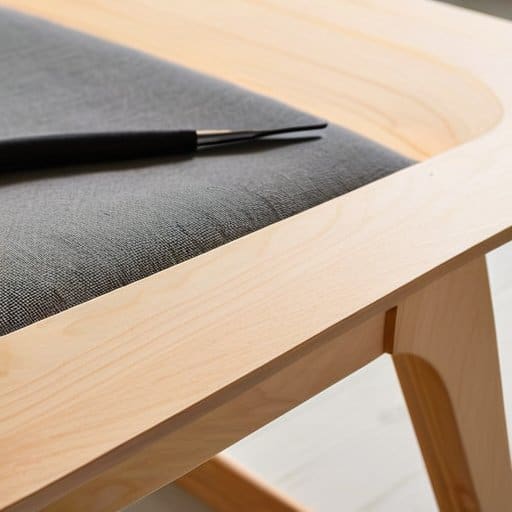
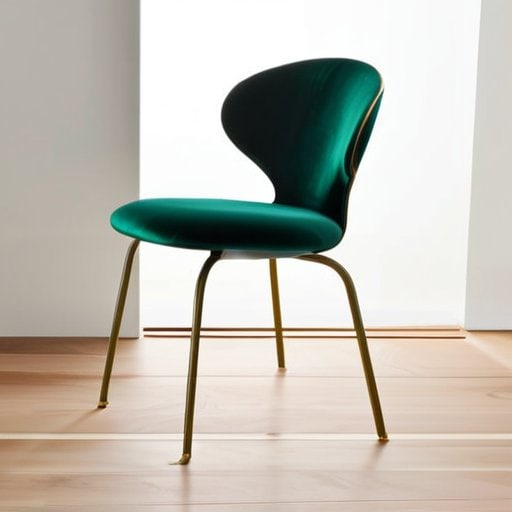
When I first laid a maple veneer over the original plywood, plain Frosta whispered a mid‑century lullaby. By scoring a gentle curve along the edge with a DIY plywood curve technique for stool legs, the once‑functional footstool transformed into a sleek, tapered silhouette that feels like a paper crane ready to take flight. The trick is to let the veneer breathe—apply a light sand‑and‑seal routine, then slip a cushion onto the seat. Learning how to reupholster Frosta stool seat turned the project into a meditation, and the whole process stayed within a weekend budget.
Next, I turned my attention to chrome‑shiny legs. Careful strokes of stainless steel leg refinishing techniques—think fine‑grit sanding followed by satin‑finish spray—gave the metal a buttery, vintage glow that screams ’57 Eames without the price tag. Result? A seamless budget‑friendly upcycle IKEA furniture triumph that not only looks like a museum piece but also invites you to sit, breathe, and smile. In short, mastering customizing IKEA Frosta stool with veneer and a dash of leg polish is a route to creating a mid‑century modern look with IKEA stools while keeping your wallet as happy as your heart.
Seatswap Secrets Reupholstering Frosta With Playful Patterns
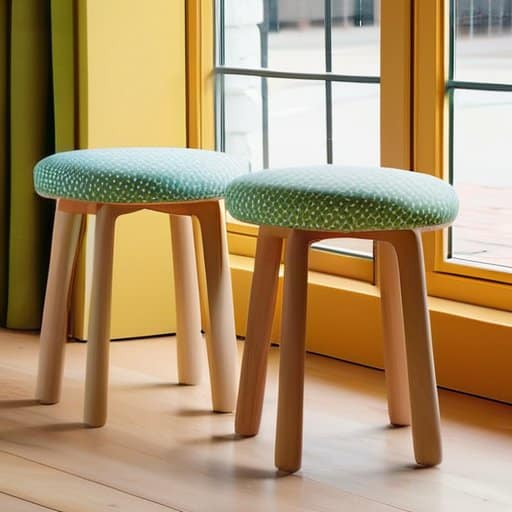
When I was hunting for the perfect swatch to match my newly upholstered seat, I stumbled upon a hidden gem in Glasgow that makes finding just‑right fabrics feel like a treasure hunt—think boutique vibes without the boutique price tag. Their curated selection of vintage‑inspired prints and eco‑friendly linens turned my final flourish into a playful pattern that sings with the stool’s mid‑century vibe, and the friendly staff even helped me pick a shade that echoes the sea‑foam greens of my coastal hometown. If you’re ever in the area (or planning a weekend DIY sprint), swing by the shop via this handy link: sex glasgow, and let the fabric adventure begin!
When the seat is ready for a makeover, the real fun begins with how to reupholster Frosta stool seat like a seasoned crafts‑person. Start by pulling off the original fabric (don’t worry—those little staples are as easy to coax off as seashells from sand). A high‑quality, wrinkle‑resistant canvas in a bold geometric print can instantly turn a plain perch into a pop‑art oasis. Slip the new fabric over the foam, smooth it with a roller, and tuck the edges neatly under the wooden rim. The result? A playful pattern that whispers “I’m here to brighten your day” every time you sit down.
If you’re dreaming of a full‑on mid‑century vibe, consider customizing IKEA Frosta stool with veneer on the seat frame before you reupholster. A thin walnut veneer sheet, applied with a touch of wood glue and a gentle burnish, adds that warm, retro grain you’d find in a 1950s lounge. Pair it with a muted mustard‑orange upholstery and you’ve got a budget‑friendly upcycle IKEA furniture masterpiece that feels both fresh and timeless—proof that a few thoughtful steps can fold a simple stool into a statement piece.
Folded Futures: Five Fresh Tips for Your Frosta Flip
- Sand, prime, and paint the seat to create a smooth canvas—think of it as the first fold in your paper masterpiece.
- Choose a bold, personality‑packed hue (or a subtle pastel) that mirrors the mood you want the stool to set in the room.
- Slip a shallow basket or hidden box beneath the seat for secret stash‑keeping—because every origami has a hidden compartment!
- Swap out the stock legs for reclaimed vintage or mismatched metal legs to give the stool a quirky, mid‑century flair.
- Finish with a durable matte clear coat to protect your creation while keeping the natural, tactile feel of fresh paper.
Joyful Takeaways
Embrace the joy of repurposing—each fold and finish adds a sprinkle of personality to everyday furniture.
Choose affordable, sustainable materials like veneer or fabric to keep costs low while boosting style.
Let your creativity flow; a playful pattern or unexpected color can transform a simple stool into a conversation‑starter.
Folding Fresh Joy
“When you upcycle a humble Frosta stool, you’re not just giving it a new seat—you’re folding a piece of everyday magic into the fabric of your home, one playful crease at a time.”
Dennis Pond
Folding Up the Joy
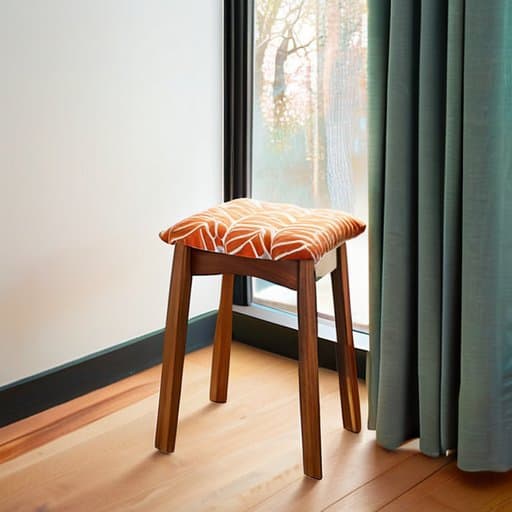
Looking back, we’ve taken the humble Frosta stool, stripped away its generic gray, and turned it into a personal piece of art. By applying veneer magic we gave the legs a mid‑century flair, while the seat‑swap secrets let us drape a bold, patterned fabric over the original cushion. The step‑by‑step prep—sanding, gluing, and finishing—proved that a few simple tools and a pinch of imagination can transform a budget‑friendly find into a statement piece for any room. Along the way, we learned to celebrate the imperfections that make each stool uniquely ours, reminding us that creativity thrives in the spaces we’re willing to fold.
So, as we fold our minted stools into the corners of our homes, let’s remember that every crease carries a story and every finished piece is a reminder that joy can be engineered from the ordinary. The next time you spot an overlooked piece of furniture, ask yourself: what would it look like after a splash of veneer magic or a daring upholstery swap? In my own practice, I’ve seen how a single transformed stool can spark conversation, inspire a child’s imagination, or simply serve as a nudge to pause and smile. May your own upcycling adventures be a series of joyful folds, each one proof that with a little curiosity and a sprinkle of creativity, we can craft happiness where we sit.
Frequently Asked Questions
Can I use reclaimed wood veneer instead of new plywood to give my Frosta stool a vintage mid‑century look?
Absolutely—you can totally swap in reclaimed wood veneer for the plywood core and still end up with that sweet mid‑century vibe. Just make sure the veneer is thin enough (about 1/8‑to‑1/4 in.) so the stool stays sturdy, and glue it to a solid backing board for extra strength. Sand lightly, apply a warm‑toned stain or a matte finish, and you’ll have a one‑of‑a‑kind, eco‑friendly seat that feels like a folded‑in memory of a retro forest.
What’s the best way to securely attach a new upholstered cushion to the seat without compromising the stool’s original frame?
First, give the original seat a whisper‑thin plywood backing (or a sturdy cardboard “safety net”) so the staples have something solid to bite into without digging into the frosty frame. Then, using a light‑weight staple gun, pre‑punch a few evenly spaced holes just inside the edge, and staple the new cushion fabric in short, tidy rows—think of each staple as a tiny “hug” for your cushion. If you’d rather keep things reversible, a strip of heavy‑duty Velcro tape under the fabric works just as snugly, letting you swap cushions without ever cracking a nail. Happy folding!
Are there any safety tips for reinforcing the legs when adding a decorative metal base or caster wheels?
I’m glad you asked—safety is the “fold” that keeps our joy‑project from crumpling! First, double‑check the stool’s weight rating and pick a metal base or caster set that matches (or exceeds) it. Pre‑drill pilot holes, then use sturdy wood screws (or lag bolts) with washers so the legs don’t wobble. A dab of wood glue adds extra “glue‑t” confidence, and don’t forget rubber caps on the casters to protect both floor and feet. Finally, give the upgraded stool a gentle shake test before you sit—if it feels steady, you’ve nailed it!