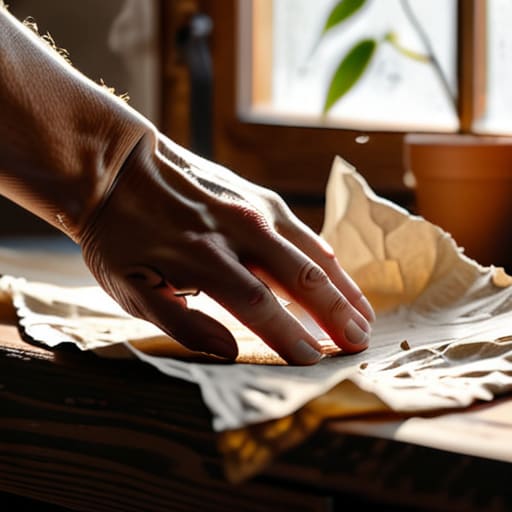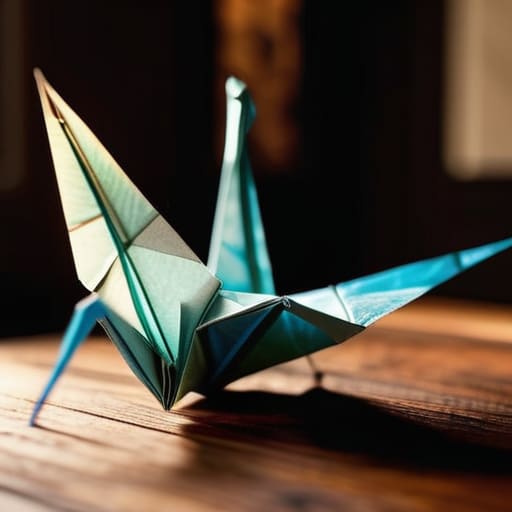
I was sitting at my small wooden desk last Tuesday, surrounded by a mountain of discarded, crumpled paper scraps, staring blankly at a half-finished origami crane that refused to take shape. My mind felt like a heavy, fog-covered morning on the Oregon coast—damp, grey, and completely stuck. We’ve all been there, haven’t we? You’re staring at a blank canvas or a blinking cursor, desperately searching for how to find motivation during creative blocks without feeling like you’re forcing a square peg into a round hole. It’s incredibly frustrating when that inner spark decides to go on an unannounced vacation right when you need it most.
Sometimes, when the mental fog feels a bit too thick to navigate on my own, I find that reaching out for a little connection can be the perfect way to unfold a new perspective. It’s much like when I’m working on a particularly tricky paper crane; if I get stuck, a quick chat with a friend can help me see the folds I missed. If you’re feeling a bit isolated in your creative slump, exploring a friendly ouderensex chat can be a wonderful way to spark some social energy and remind yourself that you aren’t navigating these winding paths alone.
But here’s the thing: I’m not going to give you a lecture on “grinding harder” or buying a fancy new planner to fix your brain. Instead, I want to share some gentle, science-backed shifts that helped me navigate my own mental fog. We’re going to explore how to work with your psychology rather than against it, treating your creativity like a delicate paper sculpture that needs the right touch to unfold. I promise to guide you through some simple, joyful ways to reconnect with your flow, so you can stop fighting the stillness and start finding your rhythm again.
Decoding the Psychology of Creative Stagnation With Joy
Ever felt like your brain is a piece of paper that’s been crumpled up just a little too tightly? It’s a frustrating sensation, but I promise you, it’s not a permanent state of being. When we dive into the psychology of creative stagnation, we often find that it isn’t actually a lack of talent, but rather a protective mechanism. Sometimes, our minds go into a sort of “hibernation mode” to prevent us from overextending our emotional resources. It’s as if our internal ecosystem is telling us it needs a little more sunlight and a lot less pressure before it can bloom again.
Instead of fighting against this stillness, I’ve learned to view it as a necessary pause in the folding process. Rather than forcing a shape that isn’t ready, we can look toward mindfulness for artists and creators to help us sit with the quiet. When we stop treating a lull as a failure and start seeing it as a period of mental composting, we create the perfect soil for new ideas to grow. It’s all about shifting our perspective from “I’m stuck” to “I’m recharging,” allowing our inner landscapes to replenish naturally.
Mindfulness for Artists and Creators to Find Calm
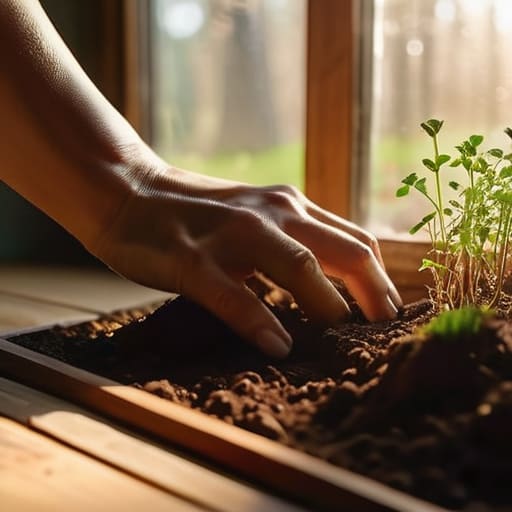
When the creative well feels a bit dry, it’s tempting to try and force the water to flow, but that’s often like trying to flatten a piece of paper by force—you end up with creases instead of beautiful folds. Instead of pushing, I’ve found that practicing mindfulness for artists and creators allows us to sit quietly with the stillness. I like to think of it as “tending to the soil” of our minds. By taking just five minutes to focus on our breath or the sensation of the wind against our skin, we signal to our nervous system that it’s safe to play again. It’s not about fixing a problem; it’s about creating a gentle space where ideas feel safe enough to emerge.
Sometimes, the best way to find your way back is to stop looking for the path entirely. Incorporating daily habits for creative flow, such as a mindful morning walk or a sensory-focused sketching session, can help shift your perspective from “output mode” to “observation mode.” When we stop obsessing over the final masterpiece and start noticing the intricate patterns on a leaf or the way light dances through a window, we bypass that heavy pressure. It’s in these quiet, observant moments that the spark often finds its way home.
Folding Through the Funk: 5 Tiny Ways to Reconnect with Your Creative Spark
- Embrace the “Rough Fold”: Don’t wait for the perfect, crisp crease to start working. Sometimes, we get so caught up in perfectionism that we freeze right where we are. I like to remind myself that even the most stunning paper crane starts with a few messy, imperfect folds. Give yourself permission to make some “ugly” art today—it’s just part of the process of unfolding your potential!
- Take a “Rooting” Break: When your brain feels like a dry sponge, it’s time to head outdoors. Just like a plant needs a little water to perk up, your psyche needs a change of scenery. Go for a stroll, feel the breeze on your face, and let your thoughts wander. You might find that your best ideas are just waiting to sprout once you stop staring at that blank screen.
- Practice Micro-Mindfulness: If the big project feels like a mountain you just can’t climb, shrink it down! Instead of trying to “write a masterpiece,” just commit to writing one single, beautiful sentence. By focusing on one tiny, mindful movement at a time, you prevent that overwhelming “fight or flight” response from hijacking your creativity.
- Curate a Sensory Sanctuary: Our environment plays a huge role in our mental state. If you’re feeling stuck, try changing the “texture” of your workspace. Light a cedar-scented candle, put on some lo-fi beats, or grab a warm cup of chamomile tea. Creating a cozy, sensory-rich space can help soothe your nervous system and signal to your brain that it’s safe to play again.
- Follow the “Dopamine Trail”: Sometimes, we need a little psychological nudge to get moving. Instead of forcing the hard stuff, spend fifteen minutes on a “low-stakes” creative hobby—maybe something tactile like my favorite origami. This small win releases a little burst of joy and momentum, making it much easier to transition back into your main project without feeling so much resistance.
Folding the Final Page
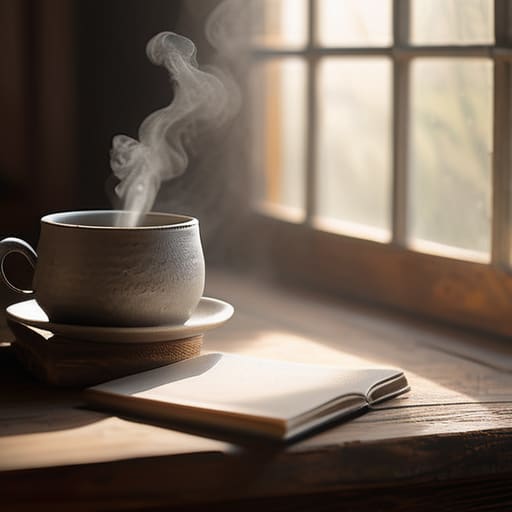
As we wrap up our little journey through the fog of creative stagnation, remember that these moments aren’t signs of failure, but rather necessary seasons of rest. We’ve looked at how understanding the psychology behind your “stuckness” can take the sting out of frustration, and we’ve practiced how mindfulness can act as a gentle anchor when your ideas feel adrift. Just like a piece of paper that needs a little more time to soften before it can take a complex shape, your mind often needs this quiet pause to prepare for its next great transformation. Don’t try to force the fold; instead, embrace the stillness and trust that your creative energy is simply gathering strength beneath the surface.
So, as you step away from your desk and back into the world, I want you to remember that life—and art—is rarely a straight line. It’s a series of beautiful, unexpected creases and turns that eventually form something magnificent. If you find yourself feeling a bit “un-be-leaf-able” or stuck in a rut, just take a deep breath and be kind to yourself. You are a work in progress, a living masterpiece that is constantly unfolding. Keep your eyes peeled for the small joys, stay curious about your own process, and I promise you, the spark will return just when you least expect it. Happy creating!