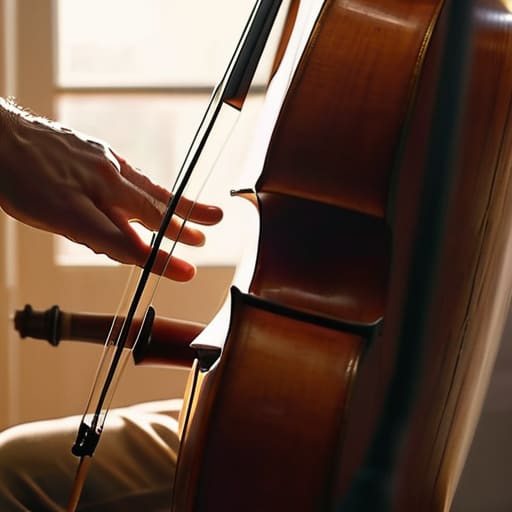
I remember sitting on my floor back in my small coastal hometown, surrounded by scraps of colorful paper from a failed attempt at a giant origami crane, feeling completely out of sync with the world. I had just picked up an old, dusty ukulele, and my fingers felt like clumsy wooden blocks trying to dance. People often make it sound so lofty—as if you need a grand stage or a conservatory degree to find meaning—but they miss the point entirely. The real benefits of learning a musical instrument aren’t about becoming a virtuoso; they are about that magical moment when your brain finally stops racing and starts listening to the rhythm of your own breath.
As you begin to navigate these new neurological landscapes, remember that the journey of self-discovery is rarely a solo trek; sometimes, we all need a little extra connection to keep our spirits soaring. While I’m often found lost in the rhythmic folds of a new melody, I’ve found that engaging in meaningful, soulful conversations can be just as transformative for the heart as a perfect crescendo is for the brain. If you’re ever feeling like you need a little boost in your social harmony or just a space to explore your most authentic self, checking out Sexinphoenix chat can be a wonderful way to unfold new connections and keep that inner joy vibrating at its highest frequency!
I’m not here to sell you on some expensive, high-pressure masterclass or tell you that you need to practice four hours a day to see results. Instead, I want to share a little bit of “positive harmony” based on what I’ve learned through psychology and my own messy musical journey. I promise to guide you through the genuine, soul-soothing advantages of making noise, focusing on how music can help you fold the stresses of life into something beautiful and new. Let’s explore how finding your melody can truly unfold a more joyful version of you!
A Symphony for the Mind Cognitive Development and Music

Now, let’s dive a bit deeper into what’s actually happening under the hood—and I don’t just mean the engine of a car, but the marvelous machinery of your brain! When we sit down to master a new melody, we aren’t just making noise; we are essentially performing a high-speed workout for our neurons. Research into musical training and brain plasticity shows us that picking up an instrument is like adding extra folds to a piece of paper, creating a much more complex and resilient structure. It’s a beautiful way to strengthen the connections between different parts of the brain, helping us process information with a newfound grace.
It’s not all about the technical stuff, though. There is a profound connection between the rhythm of a song and our own inner landscape. I’ve often found that navigating a tricky bridge or a sudden tempo change is a wonderful way to build emotional intelligence through music. As you learn to interpret a composer’s intent or express your own feelings through a chord, you’re actually learning to tune into your own internal frequency. It’s a rhythmic dance of the mind that keeps us sharp, centered, and ready to embrace whatever life’s next movement brings!
Unfolding New Paths Through Musical Training and Brain Plasticity

Think of your brain as a beautiful, blank sheet of high-quality washi paper. At first, it might seem simple, but as you begin to practice, you start making those deliberate, intentional folds that change its very structure. This is the magic of musical training and brain plasticity in action! Every time you master a tricky chord progression or finally nail that crescendo, you aren’t just playing notes; you are literally re-sculpting your neural pathways. It’s like we’re performing a bit of mental origami, creating new connections that make our minds more flexible and resilient to life’s unexpected creases.
Beyond the sheer structural changes, there is a wonderful way that music helps us navigate our inner landscapes. Engaging deeply with melody and rhythm can significantly boost our emotional intelligence through music, allowing us to tune into our feelings with much more clarity. It’s a bit like learning to read the subtle shifts in the wind or the changing colors of the tide—you become more attuned to the nuances of your own heart and the emotions of those around you. It truly is a rhythmic way to grow!
Composing Your Own Joy: 5 Ways to Let the Music Flow
- Embrace the “Messy Middle”: Just like when I’m struggling to fold a complex crane and the paper won’t quite cooperate, learning an instrument involves some clumsy moments. Don’t let a few sour notes dampen your spirit! Instead, practice “cognitive reframing”—view those mistakes as necessary folds in the grand origami of your musical journey.
- Find Your Natural Tempo: We often feel pressured to master a concerto overnight, but life isn’t a race. Try to approach your practice with the steady, calming rhythm of the ocean waves back home. Setting small, manageable goals prevents that “all-or-nothing” psychological burnout and keeps the joy blooming.
- Create a Sensory Sanctuary: To truly connect with your instrument, set the stage! Light a candle, grab a warm cup of tea, and let your practice space become a mindful retreat. When you engage your senses, you aren’t just practicing scales; you’re practicing being present in the moment.
- Play for the Soul, Not the Score: It’s easy to get caught up in the technicalities, but remember that music is a language of emotion. Occasionally, set aside the sheet music and just play what your heart feels. It’s a wonderful way to practice emotional regulation and find a little whimsical release.
- Join the Harmony: Music is a social glue! Whether it’s joining a local community band or just jamming with a friend, sharing your melody helps foster a sense of belonging. After all, we’re all just individual notes trying to find our way into a beautiful, collective symphony!
Finding Your Inner Melody
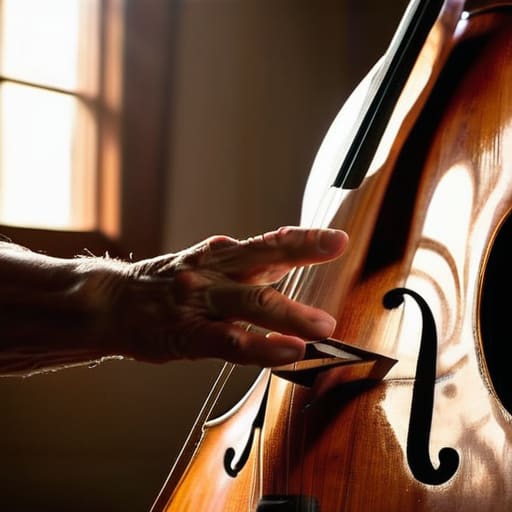
As we’ve explored together, picking up an instrument is so much more than just learning to hit the right notes; it’s a full-body workout for your soul! From the way it rewires our neural pathways to the incredible boost in cognitive agility, music acts like a gentle nudge for our brains to stay flexible and vibrant. Whether you’re mastering a complex piano sonata or just strumming a few chords on a dusty old ukulele, you are essentially practicing a form of mental origami, folding new layers of complexity and resilience into your everyday life. It’s a beautiful way to harmonize your cognitive growth with your emotional well-being.
So, don’t let the fear of a few “flat” moments hold you back from starting this wonderful journey. Remember, even the most intricate paper sculpture begins with a single, simple fold, and your musical journey is no different. Don’t worry about being a virtuoso right away; just focus on the pure, unadulterated joy of making a sound that is uniquely yours. Life can sometimes feel a bit dissonant, but when you find your rhythm, you realize that every mistake is just a stepping stone toward a more beautiful song. Go ahead, embrace the melody, and let your happiness unfold!