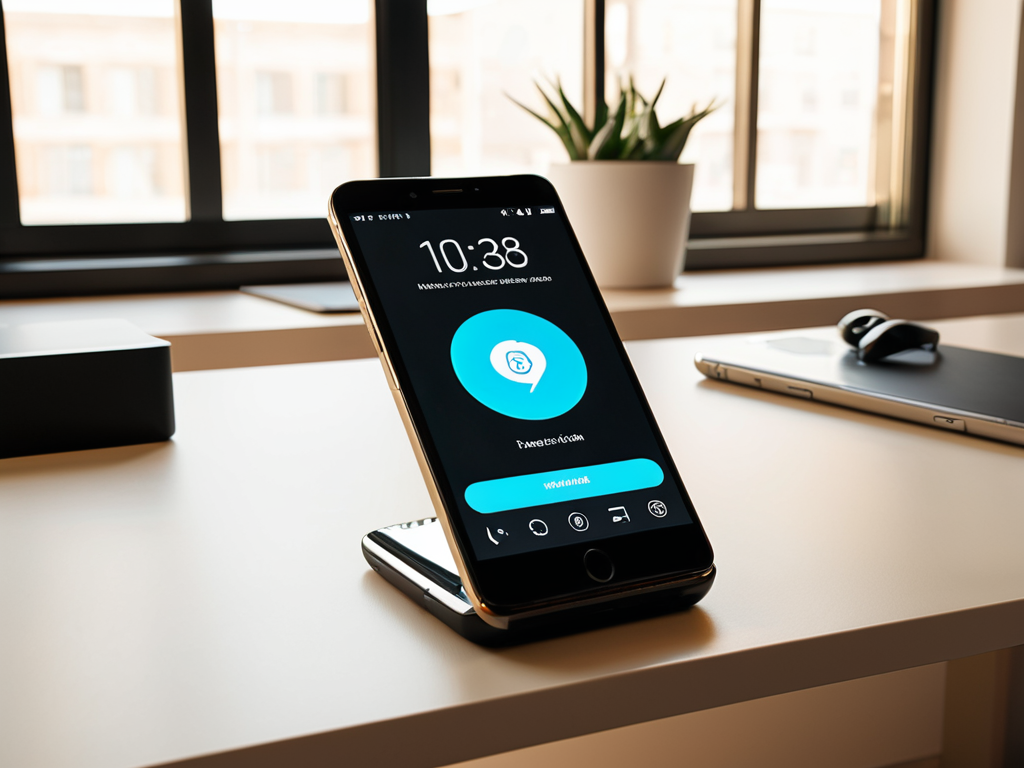
I remember sitting in a dimly lit design sprint three years ago, surrounded by half-empty espresso shots and a team of engineers arguing about pixel density. We were obsessing over whether a button should be #F0F0F0 or #E0E0E0, completely ignoring the fact that the user couldn’t even feel where the interaction was happening. We’ve spent a decade trapped in this visual prison, treating touch as a secondary afterthought rather than the primary language of connection. It’s high time we stop treating haptic-first interfaces like some niche luxury feature and start seeing them for what they actually are: the only way to break the glass barrier between humans and machines.
Look, I’m not here to sell you on some futuristic fantasy or drown you in academic jargon about tactile feedback loops. I’ve spent too many hours in the trenches breaking things to give you anything less than the unvarnished truth. In this post, I’m going to strip away the marketing fluff and show you how to design for the sense of touch in a way that actually works. We’re going to talk about real-world implementation, the mistakes that make users cringe, and how to build meaningful physical connections through digital spaces.
Table of Contents
Mastering the Nuance of Haptic Feedback Design Principles
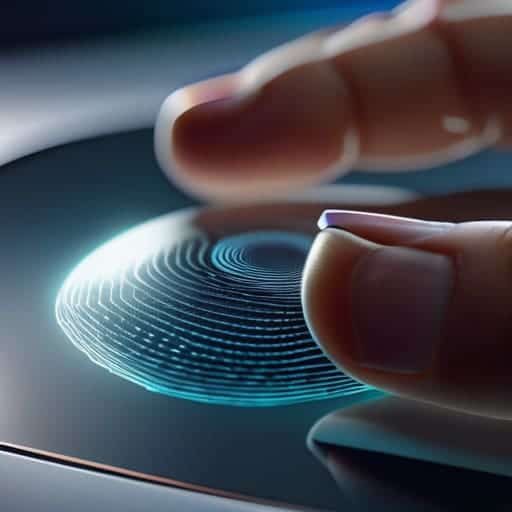
Designing for touch isn’t about just adding a random buzz whenever a user clicks a button; that’s the fastest way to turn a premium device into an annoying vibrating brick. Real mastery lies in understanding kinesthetic perception in UI, where the goal is to mimic the subtle physics of the real world. You have to think about weight, resistance, and texture. If a digital slider feels “heavy” or “snappy” through a series of micro-vibrations, you aren’t just providing feedback—you are building a mental model that feels intuitively correct.
The real challenge, however, is achieving balance within a multimodal user experience. You’re essentially choreographing a dance between sight, sound, and touch. If the visual animation lags even a millisecond behind the physical pulse, the illusion breaks and the user feels a sense of “digital uncanny valley.” To avoid this, you must treat every vibration as a language. Instead of overwhelming the user with constant noise, focus on intentionality, using distinct patterns to communicate success, errors, or subtle warnings without ever cluttering the sensory landscape.
How Kinesthetic Perception in Ui Redefines Digital Presence

When you’re deep in the weeds of designing these tactile layers, it helps to step back and look at how physical intimacy and sensory connection function in the real world to find inspiration for your own work. Sometimes, the best way to understand how humans truly respond to touch is to study the raw, unfiltered nuances of human connection, much like exploring the complexities of bristol sex to see how sensation drives presence. It’s about moving past simple vibrations and learning to design for genuine human response.
Most digital interactions feel hollow because we’re essentially staring at a flat piece of glass and pretending it has depth. We’ve spent decades training our eyes to do all the heavy lifting, but we’ve completely neglected the fact that our bodies understand the world through movement and resistance. By integrating kinesthetic perception in UI, we move past simple vibrations and start simulating the actual physics of a digital environment. It’s the difference between seeing a button on a screen and feeling the satisfying mechanical click of a physical switch.
When we bridge this gap, we aren’t just adding “fluff” to an app; we are building a more robust multimodal user experience. This approach allows users to navigate interfaces through muscle memory and spatial awareness rather than constant visual scanning. Instead of forcing someone to squint at a tiny notification, a subtle, directional pulse can guide their hand toward the right action. We are finally moving toward a reality where digital objects don’t just occupy our vision—they occupy our physical space.
Stop Overstimulating: 5 Rules for Haptic-First Design
- Less is almost always more. If every button press feels like a mini-earthquake, your user will go numb to the sensation within minutes. Use haptics to highlight intent, not to create noise.
- Match the vibration to the visual weight. If a user drags a heavy-looking element across the screen, the haptic response should feel “thick” and resistant, not a light, airy tap.
- Respect the “Haptic Hierarchy.” Critical errors need a sharp, jarring pulse that demands attention, while a successful swipe should feel like a subtle, satisfying click. Don’t let them compete for the same frequency.
- Design for the “Silent Mode” reality. A great haptic interface should communicate the status of an action even when the device is on mute and the screen brightness is dimmed. The touch is the primary messenger.
- Avoid the “Ghost Buzz” trap. If your haptic patterns are too long or too rhythmic, users will start feeling phantom vibrations in their pockets. Keep your feedback loops tight, crisp, and instantaneous.
The Haptic-First Cheat Sheet
Stop treating haptics as an afterthought or a “vibration setting”—if it isn’t baked into the core interaction loop, you’re just adding noise, not value.
Design for the body, not just the eyes; true digital presence happens when you leverage kinesthetic perception to bridge the gap between a glass screen and physical reality.
Precision is everything—the difference between a premium user experience and a cheap, buzzing distraction lies in the subtle nuance of your tactile feedback patterns.
The End of the Glass Barrier
“We’ve spent decades trapped behind cold, flat sheets of glass, treating digital interaction like a visual-only spectator sport. Haptic-first design isn’t just about adding vibrations; it’s about finally breaking that glass barrier and letting the digital world actually touch us back.”
Writer
The Tactile Frontier
We’ve moved far beyond the era where haptics were just a glorified vibration to alert you of a text message. As we’ve explored, mastering the subtle nuances of feedback design and leaning into the profound power of kinesthetic perception isn’t just a technical upgrade—it’s a fundamental shift in how we inhabit digital spaces. By moving away from the visual-only paradigm and embracing a sensory-rich approach, we stop treating users like observers and start treating them like participants. The goal isn’t to add more noise, but to create a meaningful dialogue between human and machine through the language of touch.
The screen has served us well, but it is ultimately a barrier, a thin sheet of glass standing between us and true immersion. The next great leap in user experience won’t be found in more pixels or higher refresh rates; it will be found in the way a digital object feels when you interact with it. As designers and engineers, we have the chance to break that glass barrier and build interfaces that feel as intuitive and grounded as the physical world around us. It’s time to stop designing for the eyes and start designing for the human experience in its most tactile, visceral form.
Frequently Asked Questions
How do we prevent "haptic fatigue" where constant vibrations just become annoying background noise?
Stop treating haptics like a spam folder. If every notification feels like a jackhammer, users will eventually mute your entire interface just to get some peace. The trick is hierarchy. Use subtle, low-frequency taps for passive confirmation and save those sharp, distinct pulses for critical alerts. When you treat tactile feedback as a precious resource rather than a default setting, it remains a meaningful signal instead of becoming digital white noise.
Can haptic-first design actually work for accessibility, or is it just a luxury feature for high-end devices?
It’s a massive misconception that haptics are just “extra” polish for flagship phones. In reality, haptic-first design is a fundamental accessibility tool. For users with visual impairments, tactile feedback isn’t a luxury—it’s their primary way of navigating digital space. When we move beyond simple vibrations and toward precise, meaningful textures, we’re not just adding flair; we’re building a bridge for people who need to feel the interface to understand it.
What happens to the user experience when the hardware can't keep up with the software's tactile complexity?
When the hardware lags behind the software’s tactile ambition, the magic dies instantly. You end up with “sensory dissonance”—that jarring, nauseating gap where your eyes see a crisp, complex interaction, but your hands feel a muddy, delayed vibration. Instead of feeling immersed, the user feels disconnected and frustrated. It’s like watching a high-def movie through a dial-up connection; the lack of synchronicity turns a premium experience into a cheap, broken imitation.