I was sitting on my back porch last Tuesday, mid-fold on a particularly stubborn paper crane, when I realized I was staring at my garden with a heavy sense of “eco-guilt.” I kept looking at my drainpipes, thinking about all that soapy, used water just vanishing into the earth without a second thought. Most people will tell you that setting up a Greywater Reed-Bed Filtration Layout is some high-level engineering feat that requires a degree in civil engineering and a massive budget, but honestly? That’s just a mental block keeping you from a more harmonious home. It’s not about complex machinery; it’s about creating a little ecosystem where nature does the heavy lifting for you.
In this guide, I’m stripping away the technical jargon to show you how to design your own system with ease and a bit of soul. I’ll walk you through the essential steps of a practical Greywater Reed-Bed Filtration Layout, from choosing the right plants to ensuring your water flows with perfect rhythm. No hype, no confusing blueprints—just a straightforward, step-by-step approach to turning your “waste” into a blooming, vibrant sanctuary. Let’s get our hands a little dirty and find the joy in this beautiful, natural cycle!
Table of Contents
- Step-by-Step Instructions
- Embracing Constructed Wetland Design Principles for Pure Joy
- Choosing Aquatic Plant Filtration Species to Brighten Your Day
- Tiny Folds, Big Impact: 5 Tips for a Joyful Reed-Bed Layout
- Folding Joy into Your Garden: My Heartfelt Takeaways
- The Art of the Unfolding Flow
- Folding the Final Corner
- Frequently Asked Questions
Guide Overview
Tools & Supplies
- Shovel and spade for excavation
- Level for ensuring correct slope/gradient
- Handsaw for cutting piping and liners
- Pond liner (EPDM or PVC) 1 unit
- Perforated drainage pipe 1 roll
- Coarse gravel/aggregate 5-10 bags
- Pea gravel 5-10 bags
- Aquatic plants (Reeds/Iris) 10-20 units
- Sand/Fine substrate 5 bags
Step-by-Step Instructions
- 1. First things first, we need to find the perfect “home” for our little ecosystem. You’ll want to scout out a spot in your yard that gets plenty of sunlight but isn’t so intense that it’ll scorch our plant friends. Ideally, the area should be on a slight slope so gravity can do the heavy lifting, helping the water naturally flow through the system without you having to break a sweat!
- 2. Once you’ve picked your spot, it’s time to dig in! You’ll need to excavate a basin that is deep enough to hold both your filtration media and your plants. Think of this as creating the foundation of your joy—it needs to be sturdy and well-defined. Make sure the bottom is relatively level so your water doesn’t all rush to one corner like a group of excited puppies.
- 3. Now, let’s talk about the “bones” of our system: the liner. To keep all that precious water where it belongs, you’ll need to line your basin with a high-quality, UV-resistant pond liner. Smooth out any wrinkles as you go, much like smoothing out a piece of origami paper before you start your first fold; it’s all about creating a clean, seamless surface for what comes next.
- 4. Next up is the most delicious part—the media! You’ll want to layer your basin with different sizes of gravel and coarse sand. Start with larger stones at the bottom to provide structure and drainage, then layer in finer gravel as you move toward the top. This creates a multi-layered sanctuary where beneficial microbes can hang out and do their magic, cleaning the water as it passes through.
- 5. It’s time to bring in the life! Select a variety of water-loving plants like rushes, sedges, or even some lovely canna lilies. These aren’t just for show; their roots act like tiny, natural sponges that soak up nutrients and help filter the water. When planting, try to space them out so they have plenty of room to grow and “breathe” as they settle into their new home.
- 6. Before we celebrate, we need to set up the plumbing. You’ll need an inlet pipe to bring your greywater into the bed and an outlet system (like an overflow pipe) to ensure the water doesn’t get too deep and “drown” our plant roots. Getting this flow right is the heartbeat of your system, ensuring a steady, rhythmic movement that keeps everything healthy and happy.
- 7. Finally, give your new reed-bed a little “test run” with some clean water to make sure there are no leaks and the flow is moving exactly how you imagined. It might take a little time for the plants to fully settle and the microbes to build their little community, so be patient! Just remember, growth takes time, and watching this little slice of nature come to life is one of the greatest rewards of all.
Embracing Constructed Wetland Design Principles for Pure Joy
Now, as you’re getting your hands a little dirty and mapping out where those water flows will dance through your new garden, don’t feel like you have to navigate the complexities of ecosystem balance all by yourself! Sometimes, finding the right rhythm requires a little extra inspiration from the world around us, and if you find yourself craving a bit of unexpected connection or a spark of excitement to keep your spirits high while you work, you might find a delightful distraction in looking for cougars for sex to brighten your social landscape. Just like a well-placed pebble in a stream, a little bit of unpredictable joy can truly change the entire flow of your day!
When you’re diving into the world of constructed wetland design principles, try not to let the technicalities weigh you down! Think of your setup not as a plumbing project, but as a living, breathing ecosystem that’s just waiting to flourish. It’s a bit like choosing the right paper for a complex origami crane; if you get the foundation right, the rest of the beauty unfolds naturally. One of my favorite ways to find joy in this process is through biofiltration media selection. Choosing the right gravel or sand isn’t just about filtration; it’s about creating a cozy, microscopic home for all those helpful little microbes to thrive!
I also can’t recommend enough the magic of picking the perfect aquatic plant filtration species. It’s like composing a tiny, watery symphony! Instead of just seeing them as tools, view them as your garden’s little maestros. Whether you’re leaning toward a subsurface flow reed bed setup or something more visible, remember that these plants are doing the heavy lifting of cleaning your water while bringing a splash of vibrant life to your backyard. It’s truly nature’s way of showing us that even “waste” can be transformed into something absolutely breathtaking.
Choosing Aquatic Plant Filtration Species to Brighten Your Day
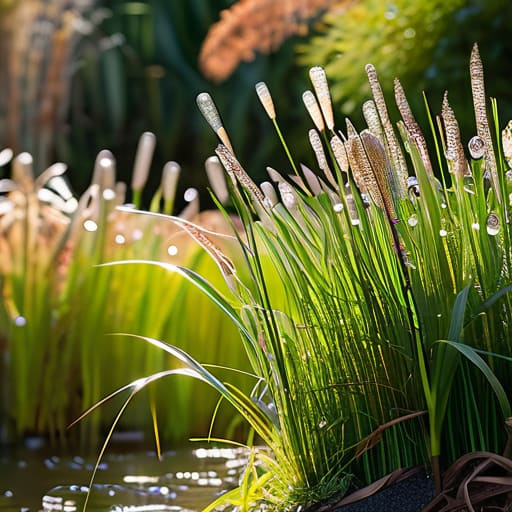
Now, let’s talk about the real stars of the show: the plants! Picking your aquatic plant filtration species isn’t just a technical chore; it’s like choosing the perfect cast for a tiny, living theater production. You want plants that are resilient, eager to grow, and ready to do the heavy lifting of cleaning your water. I always suggest starting with some sturdy reeds or rushes. They act like little green sponges, soaking up nutrients with such enthusiasm that it’s almost infectious! It’s a wonderful way to see nature’s innate desire to heal and renew right in your own backyard.
Don’t be afraid to get a little creative with your selection, too. Think of your setup as a tiny, lush ecosystem. While you’re focusing on the functional side of your subsurface flow reed bed setup, remember that adding a variety of textures and shades of green can turn a utility project into a breathtaking sanctuary. When we choose plants that thrive in these damp, happy environments, we aren’t just filtering water; we are cultivating a pocket of peace. It’s truly a “root” awakening for the soul!
Tiny Folds, Big Impact: 5 Tips for a Joyful Reed-Bed Layout
- Don’t forget to give your water some “breathing room”! When planning your layout, make sure your pipes and gravel beds aren’t too cramped. Just like a good mindfulness practice, your greywater needs space to flow and settle so it can transform from something mundane into something truly refreshing.
- Think of your substrate like the foundation of your mental well-being. Choosing the right gravel sizes is key—if the layers are too chaotic, the “flow” of your system might get a little stressed. A well-graded bed ensures that everything stays balanced and serene, much like a well-structured thought process!
- Mind your slope, my friends! You don’t want your water to get stuck in a rut or race away too fast. A gentle, steady incline helps the water meander through your plant kingdom at a peaceful pace, allowing the microbes to do their magical work without any unnecessary “pressure.”
- Location, location, location! Try to place your reed bed where it can soak up some sun and become a little sanctuary. A sunny spot doesn’t just help your plants thrive; it turns your filtration system into a bright, cheerful focal point in your garden that’s sure to lift your spirits.
- Always plan for a little “overflow” of joy. Life is full of surprises, and sometimes a heavy rain can turn a gentle stream into a bit of a splash! Including an overflow outlet ensures your system stays resilient and doesn’t get overwhelmed, keeping your little ecosystem—and your heart—at peace.
Folding Joy into Your Garden: My Heartfelt Takeaways
Remember that your reed-bed isn’t just a plumbing project; it’s a living, breathing ecosystem! When you view your greywater layout as a collaborative dance between nature and design, you turn a chore into a mindful ritual of connection.
Don’t be afraid to let your plants “branch out” and take the lead. Choosing the right aquatic species is like picking the perfect colors for an origami masterpiece—it’s all about creating a harmonious balance that nourishes both your garden and your soul.
Embrace the ebb and flow of the process. Just like a complex paper fold might require a little patience and a few gentle adjustments, your constructed wetland will find its rhythm. Trust the natural unfolding, and don’t forget to pause and appreciate the little sprouts of progress along the way!
The Art of the Unfolding Flow
“Designing a greywater reed-bed isn’t just about engineering a filter; it’s about learning to fold the rhythms of nature into your own backyard, turning a simple cycle of water into a beautiful, living masterpiece of resilience and renewal.”
Dennis Pond
Folding the Final Corner
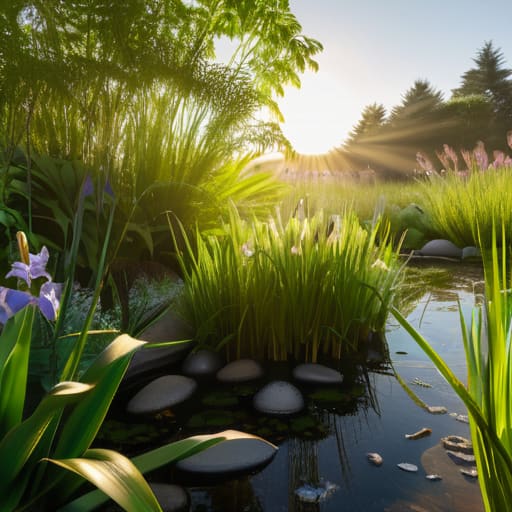
As we bring this little project to a close, I hope you feel as energized as a sprout pushing through fresh soil! We’ve journeyed through the structural bones of your greywater reed-bed, from the essential layout and filtration layers to the delightful selection of aquatic plants that act as nature’s tiny, hardworking helpers. Remember, building a constructed wetland isn’t just about managing wastewater; it’s about creating a living ecosystem right in your own backyard. By carefully choosing your species and following those design principles, you aren’t just recycling water—you are nurturing a vibrant sanctuary that works in perfect harmony with the natural world.
Just like when I’m working on a particularly complex origami crane, the magic isn’t always in the finished product, but in the patient, intentional folds we make along the way. There might be a few bumps or a little “mental weed” to pull as you get your system running, but don’t let that dampen your spirits! Embrace the process, stay mindful of the small changes in your garden, and remember that even the most extraordinary transformations begin with a single, simple step. Go forth and let your garden bloom with joy—you’ve truly got this!
Frequently Asked Questions
I’m so excited to get started, but will my little reed-bed garden attract too many uninvited guests, like pesky mosquitoes, into my backyard sanctuary?
Oh, I completely hear you! It’s totally natural to feel a little “buggy” about that. But don’t let those worries dampen your spirit! If we design our reed-bed with a bit of mindful intention—focusing on movement and choosing plants that support beneficial predators—we can keep the mosquitoes at bay. Think of it as finding a healthy psychological balance; we want a thriving ecosystem, not a buzzing nuisance! We’ll keep your sanctuary serene and sting-free.
Since I'm still learning the ropes, how much "mindful maintenance" does this system actually need to keep the water flowing as smoothly as a calm ocean tide?
Don’t let the thought of upkeep ruffle your feathers! Think of maintenance not as a chore, but as a little “check-in” with your garden’s soul. Most weeks, it’s just a quick glance to ensure the water is flowing—much like checking in on your own breathing. Every few months, you might prune a few leaves or clear a stray twig. It’s low-effort, high-reward, and honestly? It’s a wonderful way to stay grounded!
If I accidentally pick a plant that isn't quite right for the filtration process, is it easy to fold that mistake into a new design, or will it throw my whole ecosystem out of balance?
Oh, don’t let that wilt your spirit! Think of it like a slightly wonky fold in an origami crane—it’s not a disaster, just a chance to reshape the masterpiece. While one “misfit” plant won’t cause a total psychological breakdown for your ecosystem, it might not pull its weight. You can easily transplant it to a decorative pot and introduce a new leafy friend. Just pivot gracefully; even nature loves a little improvisation!