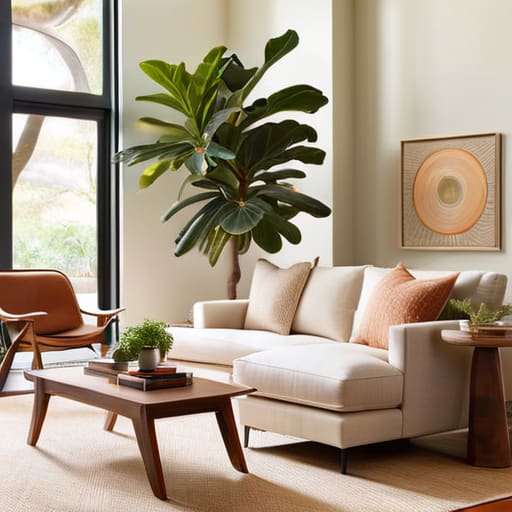
Have you ever walked into a room that looked absolutely stunning in a magazine, yet felt strangely unsettling the moment you stepped inside? I remember sitting in my first apartment, surrounded by beautiful furniture that I had meticulously picked out, only to realize I felt like I was navigating a cluttered obstacle course rather than a sanctuary. It turns out, even with the best intentions, we often fall into the trap of common mistakes in living room layout design that subconsciously trigger our stress responses. We focus so much on the “stuff” that we forget the flow, accidentally creating a space that feels more like a psychological roadblock than a place to breathe.
Sometimes, when we feel a bit stuck or disconnected in our own spaces, it’s because we’ve forgotten how to truly engage with the world outside our four walls. Just as a cramped room can stifle your spirit, a lack of social spontaneity can leave your inner garden feeling a little wilted. If you’re finding that your home feels more like a fortress than a sanctuary, I always suggest stepping out of your comfort zone to find that spark of human connection again; for instance, exploring something as unexpected as casual encounters halifax can be a wonderful way to rekindle your sense of adventure and remind you that life is meant to be lived with an open heart.
I’m not here to sell you on expensive designer secrets or tell you that you need a complete renovation to find your zen. Instead, I want to help you fold your space into something much more harmonious, much like a perfectly executed piece of origami. I’m going to share some honest, experience-based insights to help you spot those subtle layout errors that are stealing your peace. Let’s realign your home so it can truly support your well-being and invite a little more joy into your daily life.
The Tiny Rug Trap and Improper Furniture Scale
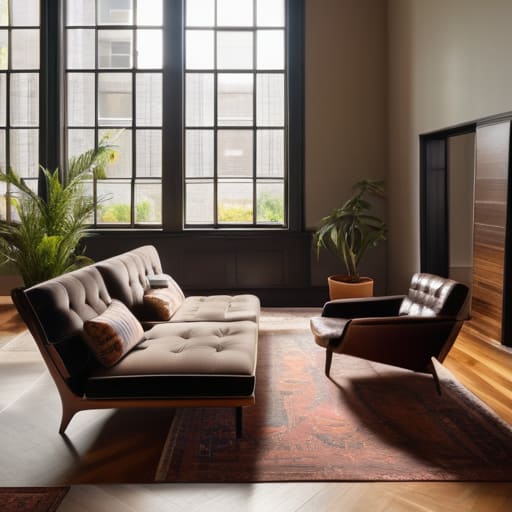
Have you ever walked into a room and felt like the furniture was playing a game of musical chairs, but nobody quite hit the right note? One of the most frequent “paper cuts” I see in home design is improper furniture scale and proportion. It’s a bit like trying to fold a massive crane out of a tiny sticky note—it just doesn’t quite work! When we cram oversized, heavy sofas into a cozy nook, or conversely, scatter tiny chairs in a cavernous space, the room loses its sense of psychological equilibrium. We want our spaces to feel grounded, not like they’re floating aimlessly in a sea of mismatched dimensions.
Then, we have the “island effect,” often caused by living room rug sizing errors. I’ve seen so many beautiful rooms where a tiny rug sits in the center like a lonely little postage stamp, failing to anchor the seating area. It’s a real “ruff” way to treat your decor! Instead of letting your rug act as a warm hug that gathers your furniture together, a small rug can actually make a room feel fragmented and disjointed. Aim for a size that allows at least the front legs of your seating to rest upon it; it creates a sense of connectedness and calm that invites you to truly settle in.
Navigating the Maze of Poor Traffic Flow
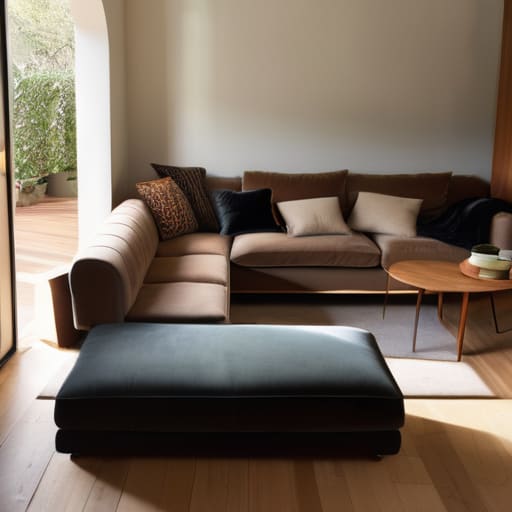
Have you ever felt like you were navigating a dense thicket of brambles just to reach the coffee table? That’s exactly what happens when we fall victim to poor traffic flow in living rooms. When we place a heavy armchair right in the middle of a natural walking path, we aren’t just obstructing movement; we’re creating subconscious “micro-stressors” that prevent our brains from truly settling into a state of calm. It’s hard to practice mindfulness when you’re constantly performing a rhythmic, awkward dance around a bulky ottoman just to get to the kitchen!
To keep your energy flowing as smoothly as a mountain stream, try to visualize the “invisible paths” people take through your space. A common pitfall is ignoring the natural clearance needed between pieces, which can make even the most beautiful room feel claustrophobic. Instead, aim for social seating arrangement tips that prioritize ease of movement. By ensuring there is a clear, unobstructed route from one door to another, you allow the room to breathe. Remember, a well-designed layout should feel like a gentle breeze—effortless, intuitive, and totally stress-free!
Folding Perfection: 5 Little Tweaks to Unfold More Joy in Your Living Space
- Don’t let your furniture “wall-hug” your happiness! While it’s tempting to push everything against the perimeter, pulling your seating even just a few inches away from the walls can create a much more intimate, breathing space that invites real connection.
- Beware the “TV-Centric” trance. It’s easy to let the television become the sun that every piece of furniture orbits around, but try creating a conversation circle instead. When we orient our chairs toward each other rather than a black screen, we nourish our social well-being!
- Lighting is the soul of the room, so please, stop relying solely on that harsh overhead light! Think of lighting like a mood regulator; layering soft lamps and warm glows creates “pockets of peace” that help your nervous system settle into a state of calm.
- Mind your “Visual Clutter” shadows. Just as a messy desk can cloud a wandering mind, an overstuffed coffee table can create subconscious stress. Leave a little “white space” in your decor to give your eyes—and your brain—a chance to rest and reflect.
- Don’t forget the “Sensory Anchor.” A room isn’t just a layout of wood and fabric; it’s an experience! Incorporate something tactile, like a soft knit throw or a smooth stone, to ground yourself in the present moment whenever you sit down to unwind.
Folding the Final Corner
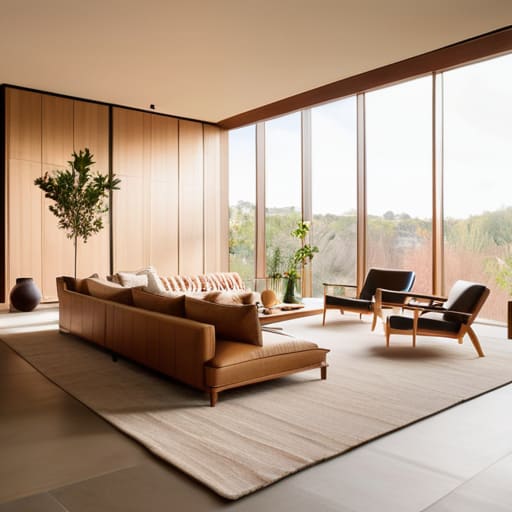
As we wrap up our little design journey, let’s take a moment to reflect on how much a few simple shifts can change your entire vibe. We’ve looked at how a tiny rug can make a room feel unbalanced and how a cluttered path can turn a relaxing evening into a frantic obstacle course. Remember, your living room shouldn’t feel like a puzzle you can’t solve; it should be a space where your energy can truly breathe. By avoiding these common layout pitfalls, you aren’t just moving furniture—you are cultivating a sanctuary that supports your well-being and invites calm into your daily rhythm.
At the end of the day, don’t let the pursuit of a “perfect” room cause you any undue stress. Much like my favorite paper cranes, sometimes the most beautiful shapes come from a few unexpected folds and a bit of patience. If your layout feels a little off, don’t worry; just take a deep breath and embrace the process of realignment. Life, much like a well-designed room, is all about finding that sweet spot between structure and spontaneity. So, go ahead and nudge that chair or swap that rug—I promise you, there is so much joy waiting to be unfolded in your very own home!