I remember sitting on my back porch last summer, my hands stained with soil and my mind feeling like a tangled ball of yarn, trying to force my backyard to look like a professional landscape magazine. I was so obsessed with “perfect” aesthetics that I completely missed the point of creating a sensory garden for relaxation. I was treating my garden like a rigid math equation rather than a living, breathing sanctuary. It wasn’t until I stopped worrying about symmetry and started focusing on the velvet texture of lamb’s ear and the rhythmic hum of bumblebees that I finally found my center.
I’m not here to sell you on expensive designer layouts or high-maintenance botanical wonders that will only leave you feeling stressed. Instead, I want to share the simple, heartfelt ways you can cultivate a space that truly speaks to your soul. We’re going to explore how to layer scents, sounds, and textures to build a personal haven that works with your psychology, not against it. Think of it as an origami masterpiece for your spirit—we’ll fold in the little details together, one mindful step at a time, to uncover the pure joy waiting in your own backyard.
A Whimsical Blueprint Using Therapeutic Garden Design Principles

While we’re busy dreaming up these lush, green escapes, I’ve found that sometimes the most important part of finding peace is simply connecting with the right community to share those moments of stillness. Whether you’re looking for local inspiration or just a way to feel more grounded in your immediate surroundings, checking out resources like london ontario hookups can be a wonderful way to find that human spark that makes even the simplest garden stroll feel like a shared celebration of life. After all, joy is much like a complex paper crane—it’s far more beautiful when it’s shared with others!
Now, let’s get our hands a little dirty and dive into the “how-to”! When we look at therapeutic garden design principles, it’s not about following a rigid set of rules, but rather about creating a space that speaks to your soul. Think of it like folding a complex crane; you want to balance structure with a bit of organic flow. I love starting with the “big picture” by layering different heights and colors to create visual elements for stress relief. By arranging your greenery so that your eyes can wander peacefully from a soft fern to a bright bloom, you’re essentially giving your brain a permission slip to stop racing and start observing.
Next, let’s add those delightful layers of sensation that make a garden truly sing! I’m a huge fan of incorporating sensory plants for touch and smell to turn a simple stroll into a full-body hug. Imagine brushing your hand against the velvety leaves of a Lamb’s Ear or catching a sudden, sweet drift of lavender on the breeze—it’s like a little dopamine hit from Mother Nature herself. Don’t forget the ears, either; adding a small water feature can create those calming garden soundscapes that drown out the noisy world, leaving you in a state of pure, leafy bliss.
Visual Elements for Stress Relief Painting With Natures Palette
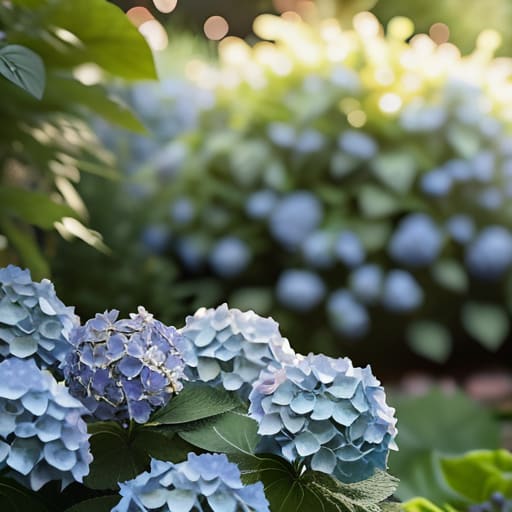
When we talk about visual elements for stress relief, I like to think of it as choosing the right colors for a mental watercolor painting. You don’t want a chaotic splash of neon that keeps your brain on high alert; instead, aim for a palette that encourages your nervous system to unfold and relax. Soft lavenders, sage greens, and pale blues are like a warm hug for your eyes. By leaning into these soothing hues, you’re essentially using therapeutic garden design principles to create a visual sanctuary that whispers “slow down” every time you glance out the window.
But don’t be afraid to add a little depth with some contrasting textures! While soft colors calm the mind, adding layers of greenery can create a sense of lush abundance. I often find that mixing fine, feathery foliage—like certain ferns—with broader, structural leaves creates a rhythmic visual flow. It’s a bit like the precise folds in my origami projects; there’s a beautiful balance between the delicate details and the larger shapes. When you curate these views, you aren’t just planting a yard; you’re sculpting a landscape for peace.
Five Little Folds to Shape Your Sensory Sanctuary
- Let’s get those ears dancing! Incorporate “auditory anchors” like a gentle wind chime or a bubbling stone fountain; there’s nothing like the soothing rhythm of trickling water to help your mind drift away from those pesky, intrusive thoughts.
- Don’t forget the power of a “scent-sational” breeze! Plant some lavender, rosemary, or jasmine near your favorite sitting spot so that every time the wind whispers through the leaves, it delivers a fragrant hug straight to your nervous system.
- Get hands-on with some “tactile treasures” by choosing plants with varied textures—think the velvety softness of Lamb’s Ear or the playful, bumpy surface of certain succulents—to ground yourself in the present moment through touch.
- Create a “flavorful focal point” by tucking in some edible delights like mint or chamomile; sipping a tea made from your own garden is like a little reward for your soul, making the connection between nature and nourishment feel truly seamless.
- Design for “spatial serenity” by creating cozy, tucked-away nooks that feel like a gentle embrace; just like a well-folded origami crane, a garden needs structure and safe spaces to truly find its beautiful, calming shape.
Folding the Final Petal

As we wrap up our little horticultural adventure, remember that building your sensory garden isn’t about achieving a perfect, magazine-ready landscape. It’s about the intentional way you layer textures, scents, and colors to create a sanctuary for your soul. Whether you’re leaning into the soothing hum of lavender or the tactile delight of soft lamb’s ear, each element serves as a vital piece of your mental well-being puzzle. Just like a complex piece of origami, the magic happens in the small, deliberate folds—the way a specific scent can ground you or how a splash of bright color can lift your mood when things feel a bit heavy. Don’t be afraid to let your garden grow organically alongside your own personal journey of peace.
At the end of the day, I hope you realize that you don’t need a massive estate to cultivate this kind of magic; even a few pots on a sunny windowsill can be a blooming testament to your resilience. Life can sometimes feel a bit “un-be-leaf-able” in its complexity, but when we take a moment to engage our senses, we find ourselves coming back to center. So, go ahead and embrace the beautiful messiness of nature and yourself. May your garden—and your heart—always find plenty of room to bloom, surprise you, and unfold into something truly spectacular.