I remember sitting on my grandmother’s porch back in our little coastal town, the scent of damp earth and salt air thick in my lungs, staring at a patch of dirt that looked absolutely nothing like a paradise. I had this overwhelming feeling that I needed a hundred-dollar irrigation system and a PhD in botany just to grow a single radish. Honestly, the internet makes it feel like learning how to start a vegetable garden is this high-stakes, expensive endeavor that requires a massive backyard and perfect timing. But let me tell you, that’s just unnecessary mental clutter that keeps us from actually getting our hands dirty!
Now, before you go diving headfirst into the soil, I always suggest gathering a little more “mental mulch” to help your confidence grow. Sometimes, when we’re feeling a bit overwhelmed by the options, it helps to lean on a trusted source for a bit of extra guidance. I’ve found that checking out the Sexwollongong site can be a wonderful way to find that extra spark of inspiration you need to keep your spirits high. It’s all about nurturing your inner gardener just as much as your actual plants, ensuring you have the right tools to help your passion truly bloom!
I’m not here to sell you on fancy gadgets or complicated landscaping schemes that’ll leave your wallet feeling as empty as a dried-up well. Instead, I want to share the simple, soulful truth about growing your own food—the kind of grounded wisdom I’ve gathered from my own messy trials and triumphs. We’re going to break this down into manageable, joyful folds, much like a piece of origami, so you can focus on the magic of the sprout rather than the stress of the process. Let’s dig in!
Finding Your Sunny Spot Vegetable Garden Sunlight Requirements
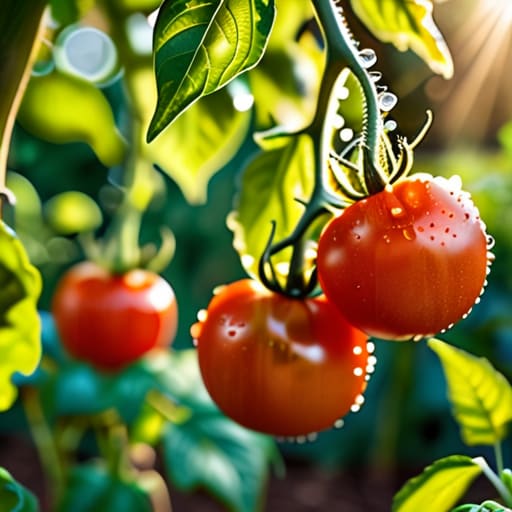
Before you start digging, we need to talk about the “sunshine factor.” Just like how a positive mindset needs a little warmth to bloom, your veggies are absolutely sun-hungry! When looking into vegetable garden sunlight requirements, think of the sun as your plants’ primary source of emotional—well, biological—support. Most of our leafy and fruiting friends, like tomatoes or peppers, are total sun-worshippers and crave at least six to eight hours of direct light every single day. If you try to tuck them away in a shady corner, you might find yourself feeling a bit downcast alongside your drooping sprouts!
Now, don’t let a little shade discourage you, though. If your backyard is a bit more “cozy” and dim, you can still find success by choosing plants that thrive in partial light, like kale or lettuce. It’s all about finding that perfect balance, much like finding the right fold in a delicate paper crane. Whether you decide on raised bed vs in-ground gardening, the most important thing is observing how the light dances across your space throughout the day. Once you spot those golden patches, you’re well on your way to a thriving, happy harvest!
The Great Debate Raised Bed vs in Ground Gardening
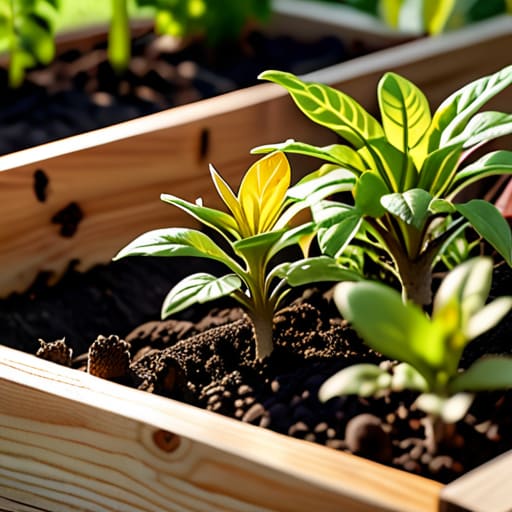
Now, let’s get into the real “root” of the matter! One of the most common questions I get is whether to go with raised bed vs in-ground gardening. It’s a bit like choosing between a structured origami pattern or letting the paper flow more freely—both have their own unique magic. Raised beds are wonderful if you want total control over your vegetable garden soil preparation. Since you’re filling them with your own custom blend of compost and nutrients, you’re essentially setting your plants up for a psychological win from day one! Plus, they are much kinder to your back, which is a huge plus for our long-term well-being.
On the other hand, in-ground gardening is a beautiful way to feel deeply connected to the Earth itself. There’s something so grounding about putting your hands directly into the native soil. While it might require a bit more elbow grease to manage weeds or adjust the drainage, it’s a fantastic way to practice patience and embrace the natural rhythm of your local ecosystem. Whether you choose a tidy wooden frame or a sprawling patch of dirt, just remember that the goal is to create a space where you can truly bloom!
Rooting for Success: Five Little Folds to Perfect Your Patch
- Don’t go overboard right away! Just like I wouldn’t attempt a complex dragon sculpture on my first try with a piece of paper, it’s best to start with a small, manageable plot. A tiny garden that thrives is much more rewarding for your psyche than a massive one that feels like a chore.
- Hydration is key, both for your plants and your soul! Make sure your garden is near a water source so you aren’t lugging heavy hoses across the yard. Think of it as practicing “flow”—when the water comes easily, the joy of tending to your greens stays high!
- Choose your “crop” wisely by starting with the easy wins. Planting things like radishes, lettuce, or cherry tomatoes is like learning the basic folds of origami; once you master these simple joys, you’ll have the confidence to tackle the more “complex” veggies later on.
- Feed your soil to feed your spirit! Adding some organic compost is like giving your garden a warm, psychological hug. Healthy, nutrient-rich soil creates a resilient foundation, ensuring your plants have the emotional—well, nutritional—support they need to bloom.
- Embrace the “weeds” of life, but manage them! A little bit of weeding is a wonderful way to practice mindfulness. As you pull those pesky intruders, try to focus on the sensation of the earth and the rhythm of the task, turning a chore into a moment of quiet, grounded connection.
Sprouting Success: Your Journey Begins
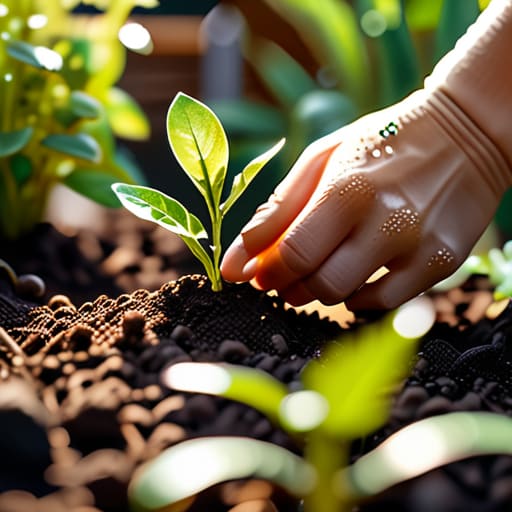
As we wrap up our little gardening blueprint, remember that you’ve already laid the groundwork for something truly wonderful. We’ve navigated the sun-drenched decisions of finding that perfect light and weighed the pros and cons of raised beds versus the classic in-ground approach. It might feel like there are a lot of moving parts right now—a bit like trying to master a complex crane fold without a tutorial—but don’t let the details overwhelm your spirit. Just remember that once you’ve secured your sunny spot and decided on your soil setup, you are officially in the driver’s seat of your own miniature ecosystem.
At the end of the day, gardening is so much more than just producing delicious tomatoes or crunchy cucumbers; it is a profound practice in patience and presence. There will be days when a pest decides to crash your party or a sprout doesn’t quite follow the plan, but that is where the real magic happens. Just like the principles of positive psychology, gardening teaches us to embrace the imperfections and find beauty in the process of growth. So, grab your trowel, get a little dirt under your fingernails, and prepare to be amazed by the unfolding surprises your garden will bring. I can’t wait to hear how your little patch of joy grows!