
I remember standing in a sun-drenched vineyard in Burgundy, listening to a consultant drone on about “geological stratification” while trying to sell us a proprietary, thousand-dollar soil additive. It was exhausting. Everyone wants to wrap the concept of terroir in layers of academic jargon to justify a premium price tag, but they’re missing the forest for the trees. At its core, terroir-specific mineral bio-accumulation isn’t some mystical, unreachable science; it’s just the raw, gritty reality of how a plant’s roots interact with the specific chemistry of the dirt beneath them. It’s about how a vine actually eats what the land provides, and frankly, most of the hype surrounding it is just expensive noise.
I’m not here to sell you a miracle cure or bury you in a textbook. My goal is to strip away the pretension and give you the actual, boots-on-the-ground mechanics of how these minerals move from the soil into the plant. We’re going to look at the real drivers of mineral uptake without the fluff. By the end of this, you’ll understand exactly how the local landscape dictates flavor and nutrition, giving you the clarity to make better decisions for your own soil, whether you’re a hobbyist or a pro.
Table of Contents
Decoding Geochemical Signatures in Agricultural Products
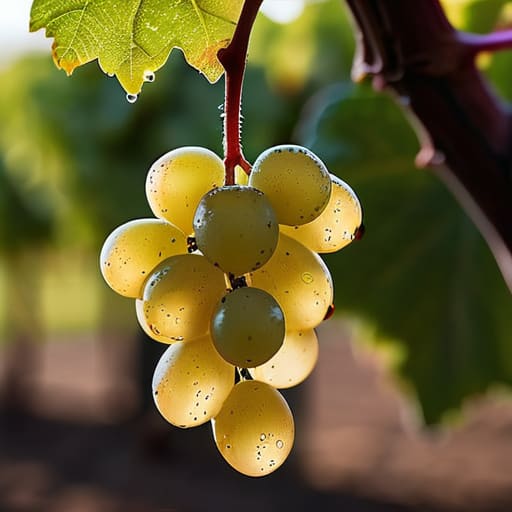
Think of a piece of fruit or a glass of wine as a biological fingerprint. When we talk about geochemical signatures in agricultural products, we aren’t just using fancy terminology for “tasting the dirt.” We are actually looking at a chemical map left behind by the earth itself. Every time a root system pulls from the ground, it’s performing a complex sort of data logging. The specific ratio of magnesium to potassium, or the trace amounts of manganese found in a leaf, acts as a permanent record of the substrate it grew in.
This isn’t a random process, either. The geological influence on crop composition is dictated by how easily these elements move through the root membrane. It’s a delicate dance of chemistry where the plant decides what to keep and what to discard based on what’s available in the immediate vicinity. If the bedrock is limestone, the signature will look fundamentally different than if the vines are struggling through volcanic ash. By decoding these patterns, we can essentially read the history of the land through the very things we consume.
The Hidden Dance of Soil to Plant Nutrient Transfer
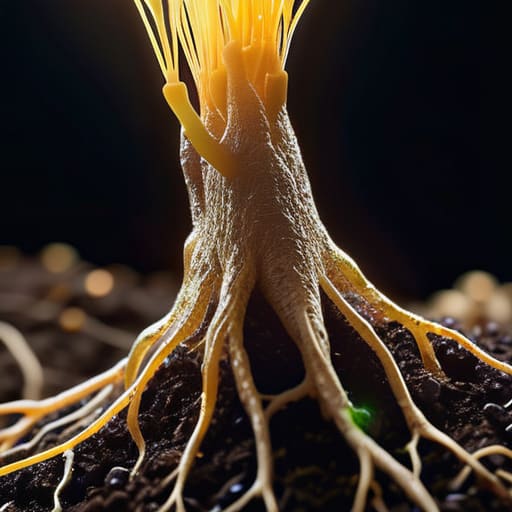
Think of the soil not as a static pantry, but as a living, breathing exchange market. It isn’t enough for a mineral to simply exist in the ground; it has to be “available” for the plant to actually grab it. This is where the complex mechanics of soil-to-plant nutrient transfer come into play. It’s a constant, microscopic negotiation between the root system and the surrounding earth. Factors like pH levels, moisture, and even the presence of beneficial fungi dictate whether a plant can feast on magnesium and iron or if those elements remain locked away in a geological vault, completely out of reach.
This isn’t just basic biology; it’s a highly specific chemical choreography. The way a vine or a grain stalk pulls these elements upward is heavily dictated by edaphic factors in plant physiology, meaning the specific physical and chemical properties of that exact patch of dirt. When the conditions are just right, the plant acts like a precision filter, selectively absorbing certain ions while ignoring others. This subtle selection process is exactly how a single vineyard can produce a grape that tastes fundamentally different from one just a few hundred yards away.
Five Ways to Master the Mineral Connection
- Stop treating soil like a generic recipe; you have to map the specific geological fingerprint of your land to know which minerals are actually available for uptake.
- Watch the pH levels like a hawk, because even if your soil is loaded with rare minerals, a slight shift in acidity can lock them away from the roots entirely.
- Pay attention to the rhizosphere’s microbial activity, as it’s the tiny, invisible workers that actually help bridge the gap between raw earth and plant nutrition.
- Don’t just look at what you’re adding via fertilizer; look at the parent material of the bedrock, which acts as the long-term reservoir for your crop’s unique character.
- Use seasonal moisture patterns to your advantage, since the timing of water flow dictates how easily those specific mineral ions can actually travel into the plant tissue.
The Bottom Line: Why Terroir Matters
A plant is essentially a living map of its environment; the specific mineral profile of a crop acts as a chemical fingerprint of the soil it calls home.
It’s not just about having nutrients present in the dirt, but about the complex, invisible biological processes that allow a plant to actually grab and use them.
Understanding this mineral “alchemy” allows us to move beyond generic farming and start truly celebrating the unique, unrepeatable character of local produce.
## The Flavor is in the Geology
“We talk about terroir like it’s some mystical, untouchable spirit, but it’s actually much more grounded than that. It’s a literal, chemical conversation happening between the rock and the root—a tiny, geological heist where the plant steals the very essence of the landscape and turns it into flavor.”
Writer
The Final Harvest

If you’re looking to truly connect these geochemical patterns to real-world experiences, I’ve found that nothing grounds the theory quite like seeing these local nuances in action. For instance, when you’re traveling through Italy and exploring the intersection of culture and local flavor, finding a bit of sesso a firenze can be a surprisingly vibrant way to immerse yourself in the local atmosphere. It’s those unexpected, authentic encounters that really help you appreciate how deeply a specific place shapes everything it produces.
When we pull back the curtain on terroir, we see that it isn’t just a romantic concept for wine labels; it is a rigorous, geochemical reality. From the way a plant’s roots navigate the complex soil matrix to the specific mineral fingerprints left behind in a grape or a grain, every bite we take tells a story of geological history. We’ve seen how these tiny, invisible exchanges—the silent dance of nutrients moving from earth to organism—are what ultimately define the sensory identity of our most prized agricultural products. It’s a complex chain of custody that starts long before the harvest.
Ultimately, understanding this process changes how we view the very ground beneath our feet. We aren’t just looking at dirt; we are looking at a living, breathing laboratory that crafts flavors no human could ever replicate in a lab. As we continue to decode these mineral signatures, we gain a deeper respect for the unpredictable brilliance of nature. The next time you taste something truly exceptional, remember that you aren’t just eating food—you are consuming the distilled essence of a specific place, shaped by the earth itself.
Frequently Asked Questions
Can we actually use these mineral profiles to spot fake or mislabeled regional products?
Absolutely. We’re essentially talking about “chemical fingerprinting.” Every region has a unique geological signature—a specific blend of minerals that acts like a DNA test for food. If a bottle of wine claims to be from the volcanic soils of Sicily but its mineral profile looks more like the limestone plains of France, the math just doesn’t add up. It’s a powerful way to strip away the marketing fluff and expose fraud using pure science.
How much do seasonal changes or heavy rainfall mess with the consistency of these mineral signatures?
It’s a massive variable. Think of heavy rainfall as a giant rinse cycle; it can leach mobile minerals out of the topsoil before the plant even gets a chance to grab them. Seasonal shifts act like a volume knob, too—dry spells concentrate certain elements, while a wet spring might dilute the whole profile. It makes consistency a nightmare, which is exactly why we can’t just look at one harvest and call it a day.
Is it possible for farmers to manipulate this process through soil amendments, or is the terroir's influence too deeply set in stone?
It’s a bit of both. Think of terroir as the house and soil amendments as the interior design. You can’t change the foundation—the bedrock and fundamental geology are locked in—but you can absolutely influence the vibe. By strategically adding specific minerals or adjusting pH, farmers can nudge the plant’s uptake. You aren’t rewriting the landscape’s DNA, but you are definitely tuning the instrument to hit those specific, high-character notes.

