I was sitting at my kitchen table last Tuesday, surrounded by half-finished origami cranes and a sticky, translucent puddle of failed starch-based goo, when it finally clicked. Most people think that bio-plastic manufacturing at home requires a high-tech laboratory or a degree in chemical engineering, but honestly? That’s just a limiting belief that keeps us from playing with the world around us. In reality, the most beautiful transformations often happen with just a few pantry staples and a little bit of patience. It’s a lot like mindfulness; you can’t force the result, you just have to learn to flow with the process and enjoy the messy, wonderful learning curves along the way.
In this guide, I’m stripping away the intimidating jargon to show you how to master the art of DIY polymers without losing your mind (or your clean countertops!). I’ll walk you through a foolproof, no-hype method for bio-plastic manufacturing at home using ingredients you likely already have in your cupboard. We’re going to explore how to balance textures and strengths so you can create something truly tactile and purposeful. Get ready to roll up your sleeves and find some serious joy in the science of making!
Table of Contents
- Step-by-Step Instructions
- Gathering Your Homemade Bioplastic Ingredients With Love
- The Magic of Glycerin as Plasticizer for Flexibility
- 🌿 Five Little Seeds of Wisdom for Your Bioplastic Journey
- Folding Joy into Your Eco-Friendly Creations
- ## Folding Sustainability into Your Daily Rhythm
- Folding Your Vision into Reality
- Frequently Asked Questions
Guide Overview
Tools & Supplies
- Saucepan and stove for heating the mixture
- Stirring spoon for constant agitation
- Measuring cups and spoons for precision
- Baking sheet or silicone mat for molding
- Cornstarch 1/2 cup
- Water 1/2 cup
- Glycerin 1 tablespoon
- White vinegar 1 tablespoon
Step-by-Step Instructions
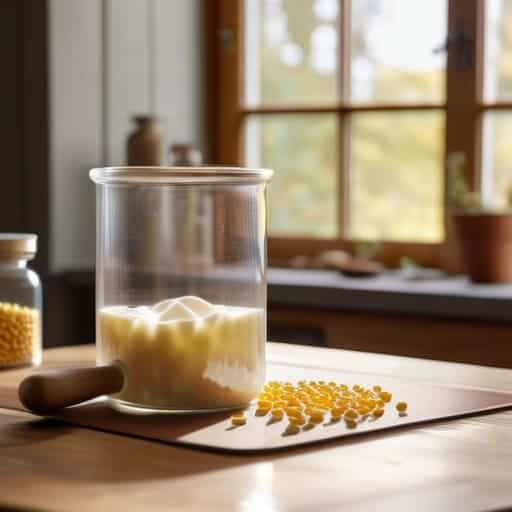
- 1. First things first, let’s gather our “ingredients for joy.” You’ll need about a quarter cup of cornstarch (our little star of the show!), a cup of water, a tablespoon of white vinegar, and a tablespoon of glycerin. Think of these as the essential building blocks for your very own sustainable masterpiece!
- 2. Grab a small saucepan and whisk all those ingredients together while they’re still cold. You want to make sure the cornstarch is completely dissolved before we turn up the heat. If you see any little clumps, just give it another whirl; we want our mixture to be as smooth as a calm morning by the coast.
- 3. Now, let’s turn up the flame to medium-low. This is the part where the real “magic” happens! As you stir, you’ll notice the liquid transforming from a milky white to a translucent, gooey substance. It might look a bit strange, but stay patient—just like practicing a tricky new origami fold, the transformation takes time.
- 4. Once the mixture is thick and clear, it’s time to shape your creation. Pour the warm goo onto a silicone mat or a piece of parchment paper. Use a spatula to spread it out into a thin, even layer. I find that spreading it extra thin helps it dry more evenly, preventing any unexpected crinkles in your beautiful new material.
- 5. Now comes the hardest part for us impatient humans: the waiting game! Place your creation in a dry, well-ventilated spot. Depending on the humidity in your neck of the woods, it might take anywhere from a day to a few days to fully set. I like to view this as a mindfulness exercise—it’s a wonderful reminder that the best things in life often require a little bit of quiet patience.
- 6. Once it feels firm and flexible, peel it carefully away from your surface. If you’ve done it right, you’ll have a piece of bio-plastic that feels almost like a leaf or a piece of soft parchment! You can even use a hole punch or scissors to turn it into charms or tags. It’s truly nature-inspired alchemy right in your own kitchen!
Gathering Your Homemade Bioplastic Ingredients With Love
Before we dive into the actual mixing, let’s take a mindful moment to appreciate the magic sitting right on your kitchen counter! When you’re sourcing your homemade bioplastic ingredients, try to view them not just as pantry staples, but as the building blocks of a tiny, creative universe. I like to think of it as a little bit of eco-friendly material science happening right next to your toaster. It’s all about intention; when we approach these simple substances with curiosity rather than just “following a recipe,” we turn a chore into a beautiful, grounding ritual.
One little secret from my own experiments? Don’t be shy with the glycerin as plasticizer! Think of glycerin as the “flexibility coach” for your creation—it’s what prevents your finished piece from becoming as brittle as a dried autumn leaf. Without it, your lovely shapes might snap under the slightest pressure. Finding that perfect balance of texture and strength is much like finding equilibrium in our own lives; it takes a little patience and a lot of heart to get it just right. Happy gathering!
The Magic of Glycerin as Plasticizer for Flexibility
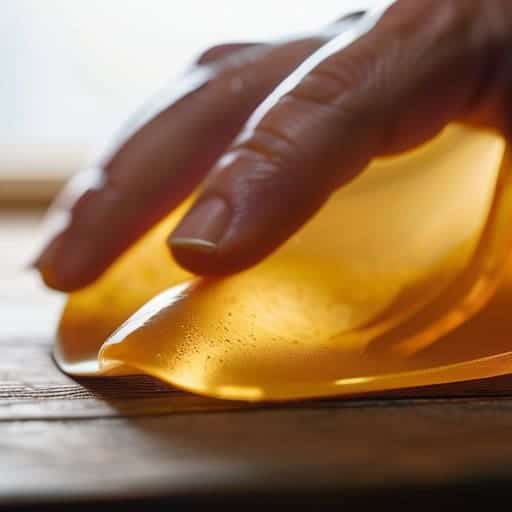
Now, let’s talk about the secret ingredient that keeps our creations from becoming as brittle as a dry autumn leaf! If you’ve ever tried to bend a piece of dried starch and had it snap instantly, you know how frustrating that can be. That’s where the magic of glycerin as plasticizer comes into play. Think of glycerin as the “emotional intelligence” of your mixture; it sits between the polymer chains, providing just enough space for them to slide past one another. This prevents the structure from becoming too rigid and helps your creation maintain a lovely, supple grace.
Now, while we’re busy playing alchemist in the kitchen, I’ve learned that staying connected to the world around us is just as vital as the science we’re practicing. Sometimes, finding your rhythm means stepping away from the stovetop and embracing the vibrant energy of human connection and local culture. If you ever find yourself craving a change of scenery or looking to explore new ways to connect with others, checking out some local adventures like sex in brighton can be a wonderful way to recharge your social batteries and find inspiration in the unexpected!
When you’re experimenting with your homemade bioplastic ingredients, remember that timing is everything—much like finding the right moment to unfold a delicate paper crane. Adding a tiny bit more glycerin will result in a more flexible, almost rubbery texture, while less will yield something sturdier. It’s a beautiful little dance of eco-friendly material science right on your stovetop! Just be careful not to overdo it, or your masterpiece might end up a bit too “squishy” for its own good. Finding that perfect balance is where the real joy of discovery lives!
🌿 Five Little Seeds of Wisdom for Your Bioplastic Journey
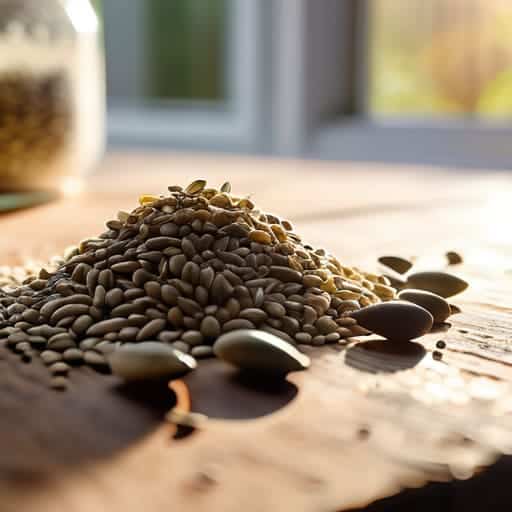
- Keep a close eye on the heat! Just like managing your own emotional temperature, you don’t want your mixture to get too “heated” and boil over. A gentle, steady simmer is the secret to a smooth, happy polymer.
- Don’t be afraid to stir with intention! Think of it as a mindful meditation for your kitchen counter. Constant, rhythmic stirring prevents those pesky clumps from forming, ensuring your bioplastic is as smooth as a calm morning by the coast.
- Patience is your best friend here. It might be tempting to rush the drying process, but trying to force it can lead to cracks. Let your creation unfold naturally, much like a slow-growing fern, as it settles into its final shape.
- Experiment with your “flavor” of nature! Once you’ve mastered the basics, try adding a pinch of dried herbs or a drop of essential oil. It’s a wonderful way to engage your senses and add a little extra soul to your handmade creations.
- Embrace the “imperfections” of the process. Sometimes a batch might come out a little thicker or more translucent than expected. Instead of feeling discouraged, look at it through a lens of curiosity—every little quirk is just a unique fold in your learning experience!
Folding Joy into Your Eco-Friendly Creations
Remember that making bioplastic is a bit like practicing mindfulness—it’s all about being present with the process, embracing the sticky textures, and finding beauty in the experimental “oops” moments!
Don’t forget that the balance of ingredients is your secret recipe for success; just as a steady mind leads to peace, the right ratio of starch to glycerin creates the perfect harmony of strength and flexibility.
Treat your finished creations with the same care you’d give a delicate origami crane, knowing that by crafting something sustainable, you’re nurturing a much healthier relationship with our wonderful planet.
## Folding Sustainability into Your Daily Rhythm
“Making your own bio-plastic isn’t just about reducing waste; it’s a beautiful metaphor for personal growth. Much like a piece of paper being folded into a complex crane, we take the raw, simple elements of our lives and, with a little patience and intention, transform them into something resilient, purposeful, and entirely unique!”
Dennis Pond
Folding Your Vision into Reality

As we bring this little experiment to a close, take a moment to admire what you’ve created! From selecting your base ingredients with intention to mastering the delicate balance of glycerin to ensure your creations aren’t too brittle, you’ve navigated the complex chemistry of home manufacturing with grace. We’ve learned that making bio-plastic isn’t just about mixing starch and water; it’s about understanding how different elements interact and harmonize to create something entirely new. You’ve successfully turned simple kitchen staples into a sustainable medium, proving that you don’t need a massive laboratory to make a meaningful, eco-friendly impact on the world around you.
Just like a piece of origami, the beauty of this process lies in how we handle the folds and the unexpected creases along the way. If your first batch comes out a little wonky or doesn’t quite hold its shape, don’t let it weigh on your psyche! Instead, view it as a beautiful lesson in resilience and adaptation. Life, much like science, is a continuous process of trial, error, and discovery. I encourage you to keep experimenting, keep playing, and most importantly, find joy in the messiness of creation. You are crafting more than just plastic; you are crafting a more mindful way of living.
Frequently Asked Questions
Will my homemade bio-plastic be sturdy enough to actually hold something, or is it more of a decorative, "fringe" kind of project?
That is a “tree-mendous” question! To be honest, think of your bioplastic more like a delicate paper crane than a heavy-duty toolbox. While it’s wonderful for charms, coasters, or decorative art, it isn’t quite ready to carry your groceries just yet! It’s a bit more on the “whimsical decor” side of the spectrum. But don’t let that wilt your spirit—it’s all about finding joy in the creative process and seeing how your little experiments unfold!
How do I keep my creations from getting a bit too "melancholy" and wilting if the humidity in my house starts to climb?
Oh, the dreaded humidity blues! It’s totally natural for your creations to feel a bit “down in the dumps” when the air gets heavy. To keep them from wilting, think of it as setting emotional boundaries! Try storing your finished pieces in airtight containers or using silica gel packets—they act like little anchors of stability. A quick spray of a natural sealant can also help your art stay resilient and “mindful” of its surroundings!
Is there a way to add some natural pigment to the mix, like using crushed berries or turmeric, to make my plastic look as vibrant as a summer meadow?
Oh, you’re absolutely blooming with creativity! I love that idea—it’s like adding a splash of soul to your science experiment. You can definitely use nature’s palette! Just steep some crushed berries or turmeric in your water first to create a concentrated “dye.” It’s a wonderful way to practice mindfulness, really seeing the colors of the earth. Just remember, natural pigments can be a bit temperamental, so don’t be discouraged if they shift slightly as they dry!