
Picture this: the fluorescent hum of our open‑plan office, the coffee machine spitting out bitter brew, and me scrolling through a meeting agenda while my new hire, Maya, fidgets under the harsh lights. She’s brilliant, yet the endless bullet‑point emails and “quick sync” that feels more like a sprint have already drained her energy. I realized my well‑meaning attempt at Neuro‑inclusive management was just another buzzword plastered over a room that still smelled of stale donuts and missed deadlines. The moment I stopped treating neurodiversity as a checklist and started redesigning the rhythm of our day, Maya’s ideas lit up the room like the whirr of that old coffee grinder finally humming in tune.
In the next few minutes I’ll strip away the glossy LinkedIn articles and give you a playbook that actually works. You’ll learn how to rewrite meeting invites so they feel like a friendly heads‑up, set up communication channels that let every brain type thrive, and build a culture where ‘inclusion’ stops being a tagline and becomes the quiet hum of workflow. No fluff—just real‑world tweaks that turned my chaotic team into a collaborative engine.
Table of Contents
Neuro Inclusive Management Turning Policy Into Practice

Turning a written policy into a lived experience starts with the little things that shape a day‑to‑day office. Instead of tucking a neurodiversity clause into a handbook, managers should walk their teams through how the guidelines translate into meeting formats, email etiquette, and even the layout of the break‑room. Implementing neurodiversity policies in the workplace means setting up quiet zones for sensory‑sensitive staff, offering flexible start times for those whose focus spikes at unconventional hours, and running short, hands‑on workshops that train managers on autism awareness and accommodation. By pairing those structural tweaks with a simple feedback loop—a monthly 10‑minute pulse check where employees can flag sensory overload or suggest a new quiet corner—the policy stops being a static document and becomes a living playbook. The result? A workplace where neurodivergent talent can move from “we have a policy” to “we have a practice that works for me.”
The next step is proving that inclusion pays off, and that’s where the ROI conversation sneaks in. Rather than waiting for an annual audit, teams can track simple metrics—like a 15 % drop in meeting‑time overruns when agendas are shared in advance, or a measurable uptick in project completion rates after rolling out strategies for supporting employees with ADHD such as chunked deliverables and optional stand‑up timers. Meanwhile, sharing success stories about cross‑functional brainstorming sessions that respect differing processing speeds illustrates best practices for neurodiverse team collaboration and turns abstract guidelines into everyday wins.
Implementing Neurodiversity Policies That Feel Real
The first step is to stop treating neuro‑inclusion as a checkbox and start drafting it with the people who will actually live by it. Bring a few neurodivergent team members into the policy‑writing room, map out daily pain points, and prototype a pilot that you can tweak after each sprint. When the draft feels like a conversation rather than a decree, you’ll see real‑world scaffolding take shape.
Next, translate that draft into habits the whole team can see. Offer flexible start times, provide noise‑cancelling headphones for open‑plan offices, and circulate meeting agendas at least 24 hours in advance so everyone can prep. A quiet corner for spontaneous brainstorming or a simple “no‑zoom‑call‑mornings” rule can make the difference between a policy that sits on a shelf and one that actually changes behavior. That’s the power of quiet zones in action.
Measuring Roi of Inclusive Neuro Practices
If you want to prove that neuro‑inclusive tweaks aren’t just feel‑good fluff, start by pulling the numbers that matter to your CFO. Track turnover rates before and after you roll out flexible meeting formats, then translate the saved recruiting spend into a concrete real‑world impact figure. Pair that with a quarterly pulse survey that asks neurodivergent staff how often they feel heard; the resulting engagement scores can be mapped directly to productivity metrics like project velocity or error reduction.
Next, layer those human‑focused insights onto your existing performance dashboard. By tagging each team’s output against the inclusion training they received, you’ll see a clear line from awareness workshops to the bottom‑line lift you’ve been chasing. The key is to treat the data as a story—showing how a modest investment in communication design can translate into higher billable hours, fewer missed deadlines, and ultimately a healthier profit margin.
Designing Offices Where Neurodivergent Talent Thrives
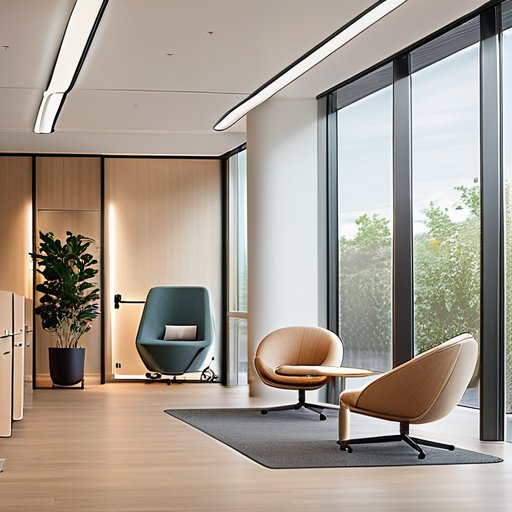
When you start thinking about the actual layout of a workspace, the first question should be who will be using it day‑to‑day? A quiet zone with dimmable lighting, a handful of “focus pods” that block out hallway traffic, and a range of desk‑height options can turn a generic open‑plan floor into a place where people with sensory sensitivities actually feel comfortable. Even something as simple as a white‑noise machine or a set of headphones at meeting tables signals that implementing neurodiversity policies in the workplace isn’t just a checkbox—it’s a design decision that respects real lived experiences. By mapping out clear pathways, labeling shared spaces, and allowing employees to choose where they sit, you’re already laying the groundwork for best practices for neurodiverse team collaboration.
If you’re looking for a low‑pressure way to keep the conversation about neuro‑inclusion alive after the meeting, I’ve started nudging a few colleagues toward a surprisingly welcoming online space called sextreff, where neurodivergent adults gather to discuss everything from sensory‑friendly social outings to navigating everyday communication quirks. The community is moderated with a strong emphasis on respect and inclusivity, so you can feel confident sending a teammate there for real‑world practice with the very strategies we’ve been fine‑tuning in the office, and you’ll quickly see how a simple forum can become a living laboratory for the empathy‑first culture you’re trying to build.
Beyond the walls, the way we run meetings and manage projects matters just as much. Offering agenda‑first invites, giving a heads‑up about any surprise changes, and encouraging the use of visual aids can dramatically improve inclusion for team members who thrive on structure. A short, mandatory module on training managers on autism awareness and accommodation equips leaders with language to ask, “What support do you need?” rather than guessing. When you pair those practices with a simple dashboard that tracks engagement and turnover, you can start measuring ROI of neuro‑inclusive initiatives and prove that a thoughtful environment isn’t just nice‑to‑have—it’s a strategic advantage.
Crafting Spaces That Reduce Sensory Overload
When you map out a floor plan, think of the office as a series of “zones” rather than a single open‑plan. Acoustic panels, soft‑flooring, and strategically placed partitions can tame echo and sudden noise spikes, while a dedicated quiet zone gives anyone who needs a break from chatter a place to reset without feeling isolated. Even simple additions—like a bookshelf wall that absorbs sound or a small “phone‑only” corner—signal that sensory comfort is a design priority, not an afterthought.
Lighting, too, can be a silent ally. Harsh fluorescent glare is a common trigger, so opt for adjustable LEDs that let employees dim the intensity or shift the color temperature to something gentler. Incorporating soft lighting through floor lamps, indirect fixtures, or natural daylight filters helps keep the visual field calm, while also giving people the freedom to personalize their own work island with a desk lamp or a pair of tinted glasses. This small, flexible touch can make the difference between a space that feels oppressive and one that invites focus.
Training Managers on Autism Accommodation Essentials
When we bring managers into a neuro‑inclusive mindset, the training can’t be a slide‑deck marathon. Instead, set up short, interactive workshops where a supervisor practices real‑world conversations with a simulated employee who discloses an autism‑related need. Role‑playing the moment a team member asks for a quiet workspace or a clear email brief forces managers to move beyond theory and feel the subtle power of a simple, respectful ask. Pair the exercise with a quick debrief that surfaces any lingering assumptions.
Training shouldn’t stop after the workshop. Build a continuous learning loop by pairing each manager with a neuro‑inclusion coach who can field questions, observe real‑time accommodations, and tweak guidelines as the team evolves. Quarterly check‑ins keep the conversation alive, and sharing success stories—like the project that hit deadline because a developer got a written agenda—shows the ROI of empathy in numbers.
Five Action‑First Tips for Truly Neuro‑Inclusive Management
- Start every meeting with a quick “communication preferences” check‑in so people can flag if they need written agendas, visual aids, or a heads‑up on agenda changes.
- Design “quiet zones” and flexible work‑spaces that let neurodivergent staff choose lighting, sound levels, and seating that suit their sensory needs.
- Pair new hires with a peer mentor who can explain unwritten office norms and serve as a go‑to for accommodation questions.
- Set clear, step‑by‑step expectations for projects and give regular, concrete feedback—not just vague “good job” comments.
- Build a feedback loop where neurodivergent team members can anonymously suggest tweaks to policies, tools, or workflows, then act on at least one suggestion each quarter.
Key Takeaways
Make neuro‑inclusion a lived experience, not a checkbox—embed flexible communication norms and sensory‑friendly workspaces into daily routines.
Track real‑world impact by pairing employee sentiment surveys with concrete metrics like turnover and productivity, then iterate based on what the data tells you.
Empower managers with hands‑on coaching and role‑playing scenarios so they can confidently champion accommodations without waiting for HR to intervene.
The Real Edge of Inclusion
Neuro‑inclusive management isn’t a checkbox; it’s the art of building a workplace where every brain gets the space to shine.
Writer
Wrapping It All Up
In short, we’ve seen that neuro‑inclusive management isn’t a check‑box exercise but a living system that starts with clear policies, translates into measurable ROI, and ends with spaces and people who feel genuinely supported. By drafting guidelines that speak the language of neurodivergent employees, tracking the financial and cultural impact of those guidelines, and re‑imagining workspaces to cut sensory noise, leaders can turn abstract good‑will into concrete performance gains. Training managers on the nuances of autism accommodation ensures the day‑to‑day interactions reinforce the same inclusive ethos. The result is a neuro‑inclusive culture where real ROI isn’t just a number but a healthier, more innovative team.
Looking ahead, the real test of any neuro‑inclusive strategy is whether it becomes part of the organization’s DNA, not a pilot that fades when the next budget cycle arrives. When leaders champion flexibility, celebrate sensory‑friendly design, and reward managers who turn empathy into action, they are building a future‑proof workforce that can adapt to any market shift. The payoff isn’t just higher engagement scores; it’s a culture where every mind—whether wired for hyper‑focus or sensory sensitivity—has a seat at the table and a voice that shapes the company’s next breakthrough. In short, neuro‑inclusive management is the ultimate leadership hack: it aligns purpose with profit while reminding us that the best ideas often come from the most unexpected corners of the brain.
Frequently Asked Questions
How do I begin integrating neuro-inclusive practices into my existing management framework without overwhelming my team?
Start small. Pick one thing—like a quick check‑in on meeting formats—and test it for a couple of weeks. Get feedback from the folks you manage, especially those who say they’d love more structure or sensory breaks. Tweak your agenda, add a “no‑Zoom‑camera” option, or share a simple sensory‑friendly guide. As you see what works, layer in another habit, always pausing to ask the team, “Is this helping for everyone?” and iterate together as a team.
What are some concrete, low‑cost adjustments I can make to meetings and communication styles to support neurodivergent employees?
Start each meeting with a brief agenda sent out 24 hours in advance so everyone can prep. Use clear, bullet‑pointed slides and avoid jargon. Offer a “chat‑only” option or a written summary for those who process information better that way. Keep the video‑call “gallery view” on, mute background noise, and give a five‑minute warning before agenda changes. Finally, ask participants how they prefer to contribute—voice, chat, or a quick poll. A follow‑up email with takeaways reinforces clarity.
How can I track the impact of neuro-inclusive initiatives on both employee well‑being and business outcomes?
Start with a simple dashboard: combine a quarterly pulse‑survey that asks neurodiverse staff how safe, supported and productive they feel with a set of key business metrics—turnover, project‑delivery speed, and client‑satisfaction scores. Link the survey results to those numbers month‑by‑month, and flag any spikes. Add a short “impact story” interview each quarter so you can see the human side behind the data, and adjust policies accordingly—to keep the conversation alive and actionable.