
If you’re tired of the glossy Instagram reels that promise a one‑minute “ego‑death” shortcut to instant enlightenment, you’re not alone. I’ve seen too many self‑help seminars turn the profound into a punch‑line, and I’m here to call out the myth that you can dissolve your ego with a scented candle and a motivational quote. The truth? Ego‑death is not a trendy detox diet for the soul—it’s a gritty, sometimes messy practice that can actually seed real growth. In this post I’ll unpack Ego‑death and personal growth the way I learned it on a wind‑blown Oregon beach, where the tide whispered that letting go feels less like losing and more like folding a fresh piece of paper.
What you’ll get here is a no‑fluff, step‑by‑step guide to gently un‑fold the self‑script that keeps you stuck, using the same paper‑folding patience I practice every evening. I’ll share three real‑world rituals—one that starts with a breath, one that uses a simple origami crane, and one that ends with a quiet journal prompt—so you can feel the satisfying snap of a fresh crease and watch your inner garden bloom into bright sunlight.
Table of Contents
- Egodeath and Personal Growth Unfolding Joyful Horizons
- Mindfulness Practices for Ego Transcendence Overcoming Selfidentity Limitat
- Psychological Transformation After Ego Dissolution a Warm Unfold
- Origami of the Self Folding Ego Into Freedom
- Shifting Perspective After Ego Loss Humilitys Role in Growth
- Spiritual Awakening Through Ego Death Experiences a Playful Unfold
- Folding the Ego into Joy: Five Playful Tips for Personal Growth
- Folding Forward – 3 Joyful Takeaways
- Folding Ego into Growth
- Folding the Final Crease
- Frequently Asked Questions
Egodeath and Personal Growth Unfolding Joyful Horizons

When the familiar story‑teller inside me quiets down, I notice a gentle ripple of change—what psychologists call a psychological transformation after ego dissolution. Suddenly the rigid script of “I must be right” folds away, and I’m left with a wide, blank page ready for new sketches. I’ve found that a simple mindfulness practice—like watching my breath as a tide rolling in—creates the space where humility can sprout. In that quiet, the old self‑image loosens, making room for fresh curiosity and a lighter, more playful sense of self.
That opening often feels like a spiritual awakening through ego death experiences—a sunrise that paints the sky in colors I never knew existed. With the ego’s curtain pulled back, my perspective shifts after ego loss; I start seeing challenges as invitations rather than threats. I’ve started a ritual of folding a paper crane after each meditation, reminding myself that every fold represents a lesson learned and a limitation released, a victory in overcoming self‑identity limitations as the crane lifts. As the crane takes flight, I’m reminded that growth isn’t a climb up a steep hill but a gentle glide across a wider horizon of joy.
Mindfulness Practices for Ego Transcendence Overcoming Selfidentity Limitat
I start each morning with a simple breath‑watch, letting each inhale rise like a tide and each exhale drift away like sea‑foam. By treating my thoughts as passing clouds, I give the ego a tiny vacation—no need to chase every gust of self‑talk. This gentle tide of awareness creates space for the true self to surface, free from the sandcastles of egoic drama.
When I wander along the shoreline, I practice a walking meditation that treats each step as a deliberate fold in an invisible origami. I place my feet on cool sand, feel the earth’s pulse, and whisper, “I’m just a curious traveler, not the whole map.” By gently folding the ego into a paper crane, the rigid edges of self‑identity soften, letting me glide beyond the limits I once thought were carved in stone and open to sunrise possibilities.
Psychological Transformation After Ego Dissolution a Warm Unfold
When the ego quietly folds itself away, I often feel like a fresh‑paper crane slipping free from a cramped origami box. The gentle shedding of self‑imposed labels leaves room for the breath of possibility to flutter in, and suddenly the ordinary hallway of my mind expands into a sun‑lit atrium. In that spacious pause, old stories about “who I should be” loosen their grip, and I can simply be—curious, compassionate, a little bit crinkly, and entirely present.
That newfound openness becomes a fresh canvas for curiosity, inviting me to sketch new habits with the ink of gratitude and play. Suddenly, the once‑rigid edges of my self‑concept melt into soft, rounded folds, and I discover that growth isn’t a climb but a graceful unfurling, like a paper flower blooming under a breezy sky.
Origami of the Self Folding Ego Into Freedom
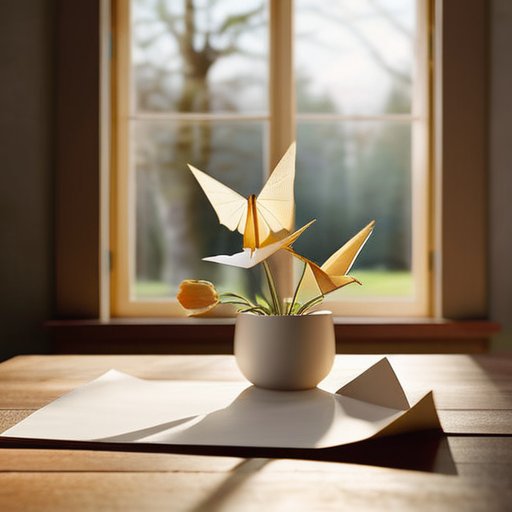
Imagine sitting at a sun‑kissed kitchen table, a square of crisp paper waiting for its destiny. As I fold the first valley crease, I’m not just shaping a crane—I’m gently loosening the tight‑knit script of “I am this” that has bound me for years. Each deliberate press becomes a miniature overcoming self‑identity limitation, a quiet rebellion against the ego’s stubborn grip. When the paper flutters into a delicate wing, I can already feel the psychological transformation after ego dissolution humming like a secret garden blooming beneath my fingertips. It’s a reminder that humility isn’t a loss of self but a role of humility in personal development that lets us fold ourselves into something freer and more playful.
Now, with the origami creature perched proudly on the windowsill, I notice how its new angles invite fresh viewpoints. That shift mirrors the shifting perspective after ego loss I experience when I let go of the need to be right, and instead, I simply be. The gentle art of breathing into each crease—my favorite mindfulness practice for ego transcendence—opens a doorway to a spiritual awakening through ego death experiences. In those moments, the world feels less like a stage I must dominate and more like a breezy tide that carries me toward deeper joy, one careful fold at a time.
Shifting Perspective After Ego Loss Humilitys Role in Growth
When the ego gently folds away, I suddenly feel like a fresh sheet of paper waiting to be creased into something new. Instead of the usual “I‑am‑the‑center” spotlight, humility tiptoes in, inviting me to look at the world from a wider angle. I notice how a simple shift in perspective can turn a stubborn ridge into a smooth, inviting valley of possibilities.
That gentle humility becomes the fertile soil where growth sprouts. With the ego’s banner lowered, I’m freer to celebrate others’ successes, to admit my missteps, and to let curiosity lead the way. The result? A quiet confidence that feels less like bragging and more like a sunrise—bright enough to guide me, yet humble enough to keep the horizon expanding. I’ve learned that this quiet confidence acts like a gentle tide, pulling me forward without drowning the wonder of each new shore.
Spiritual Awakening Through Ego Death Experiences a Playful Unfold
When I first folded my way through a quiet evening of paper cranes, I stumbled upon a surprisingly gentle guided meditation that feels like a soft breeze lifting the edges of a stubborn crease—exactly the kind of peaceful pause we crave after a day of ego‑heavy thoughts. It’s a free, downloadable audio series that walks you through a step‑by‑step “origami of the mind” practice, letting each breath smooth out the rough edges of self‑attachment and invite a fresh, gentle unfolding of awareness. If you’re curious to try it out, just follow the link to the resource I keep on my nightstand: scotish milf.
When I first slipped into a sunrise meditation, I felt my usual self‑story—‘I’m the busy counselor, the planner, the perfectionist’—soften like paper in warm hands. Suddenly, the borders of ‘me’ dissolved, revealing a sky of interconnected wonder. In that breath‑filled pause, I realized that letting the ego fold away is the first crease toward a sunrise. That moment felt like the first fold of a crane, promising flights beyond ordinary perception.
Since that day, I’ve treated each mindful moment like an origami lesson—folding curiosity, creasing compassion, and daring a daring mountain‑top flip of perspective. When the ego’s grip loosens, the inner child giggles, and a playful awakening bubbles up, reminding us that growth isn’t a grind but a pop‑up book of endless pages. Now I greet each sunrise with a bow, knowing the paper of self can be refolded into joy.
Folding the Ego into Joy: Five Playful Tips for Personal Growth
- Practice “paper‑tear” meditation—visualize each ego‑thought as a crisp page you gently crumple and unfold, revealing fresh space for curiosity.
- Invite “humble curiosity” into daily conversations; ask, “What might I be missing?” and let the answer surprise you like a hidden crease.
- Schedule a weekly “origami‑pause” where you fold a simple crane while reflecting on moments you felt less “self‑centered,” savoring the calm that follows.
- Create a “growth scrapbook” of tiny triumphs after ego‑let‑go moments—each note is a folded petal that adds up to a blooming garden of confidence.
- Share your unfolding story with a trusted friend; the act of verbalizing your journey folds the ego into a communal shape, strengthening both insight and connection.
Folding Forward – 3 Joyful Takeaways
Embrace the gentle release of ego as a mindful practice, letting go of rigid self‑stories to create space for fresh growth.
Use playful, nature‑inspired mindfulness techniques—like watching a leaf drift or folding paper—to experience ego‑transcendence in everyday moments.
Allow humility to be your compass; each ego‑softening moment redirects you toward deeper connection, creativity, and lasting joy.
Folding Ego into Growth
“When we let the ego gently fold away like a paper crane, we reveal the vibrant wings of our true self—ready to soar beyond old limits and discover fresh horizons of joy.”
Dennis Pond
Folding the Final Crease
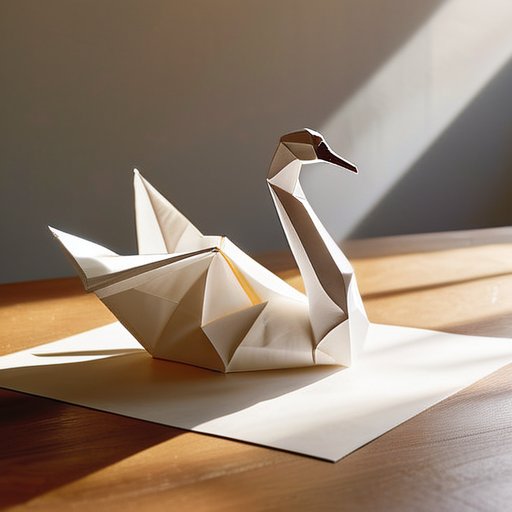
As we gently smooth out the paper of our lives, we see how mindful folding of the ego can reveal hidden valleys of joy. We explored how ego‑death clears the canvas for fresh perspectives, how breath‑anchored meditation loosens the tight grip of self‑story, and how the quiet surrender to humility turns a rigid crane into a playful swan. The spiritual ripple we felt in the “Origami of the Self” section reminded us that shedding the rigid label of “I” lets us glide into a community of shared wonder. In short, releasing the ego isn’t losing yourself—it’s gaining a whole new palette of possibilities.
So, dear reader, as you tuck a fresh sheet of intention into today’s routine, remember that each mindful crease is a step toward freedom. Let the gentle crinkle of curiosity be your guide, and let laughter pop like the surprise pop‑up of a paper flower when you catch yourself slipping back into old patterns. Embrace the playful surrender, and watch your personal growth blossom into a kaleidoscope of delight—because the most beautiful origami is the one you keep folding, one joyful fold at a time.
Frequently Asked Questions
How can I gently invite a taste of ego‑death into my daily routine without feeling like I’m losing myself?
Start each morning with a tiny “paper‑fold” pause: sip your tea, watch the steam swirl, and notice the little voice that says, “I’m the boss of today.” Gently ask it, “Can I just be a curious observer?” A five‑minute breath‑watch or a gratitude note can loosen the grip of that inner critic. Throughout the day, treat each “I’m‑right” thought like a loose crease—smooth it out, let the bigger picture unfold, and watch yourself gently dissolve into joy.
What simple mindfulness folds can help me notice when my ego is tightening the paper‑crane of my thoughts?
First, take a breath and give yourself a gentle “mountain‑fold”—inhale, imagine the paper of your mind flattening; exhale, watch any tight creases of ego smooth out. Next, try a “pinch‑fold” of curiosity: pause, place a fingertip on the edge of a thought, notice the tension, then let it release like a crane’s wing unfurling. Finally, a quick “crane‑fold” of gratitude lets you see the whole shape, ego‑free, and feel breeze joy lift you.
After experiencing an ego “unfold,” how do I keep the newfound humility from folding back into old patterns?
I’ve found the secret is to treat humility like a daily origami ritual: each morning, pause, breathe, and gently “refold” the lesson—ask yourself, “What would my wiser, quieter self notice today?” Write a tiny reminder (a sticky note, a doodle, a seashell) that says, “Stay folded, stay fresh.” When old patterns creep in, simply smile, unfold the note, and let the fresh crease of curiosity guide you back to the joyful, humble shape you’ve created.